
In the evolving world of online trading, Z.com has emerged as a global brand offering forex and CFD services under the umbrella of a large Japanese financial group. While the platform promotes strong technology, global presence, and competitive trading conditions, investors must look beyond the surface before committing funds. In an industry increasingly affected by crypto scams, investment fraud, high-risk trading platforms, and unregulated brokers, even established brands like Z.com require careful evaluation.
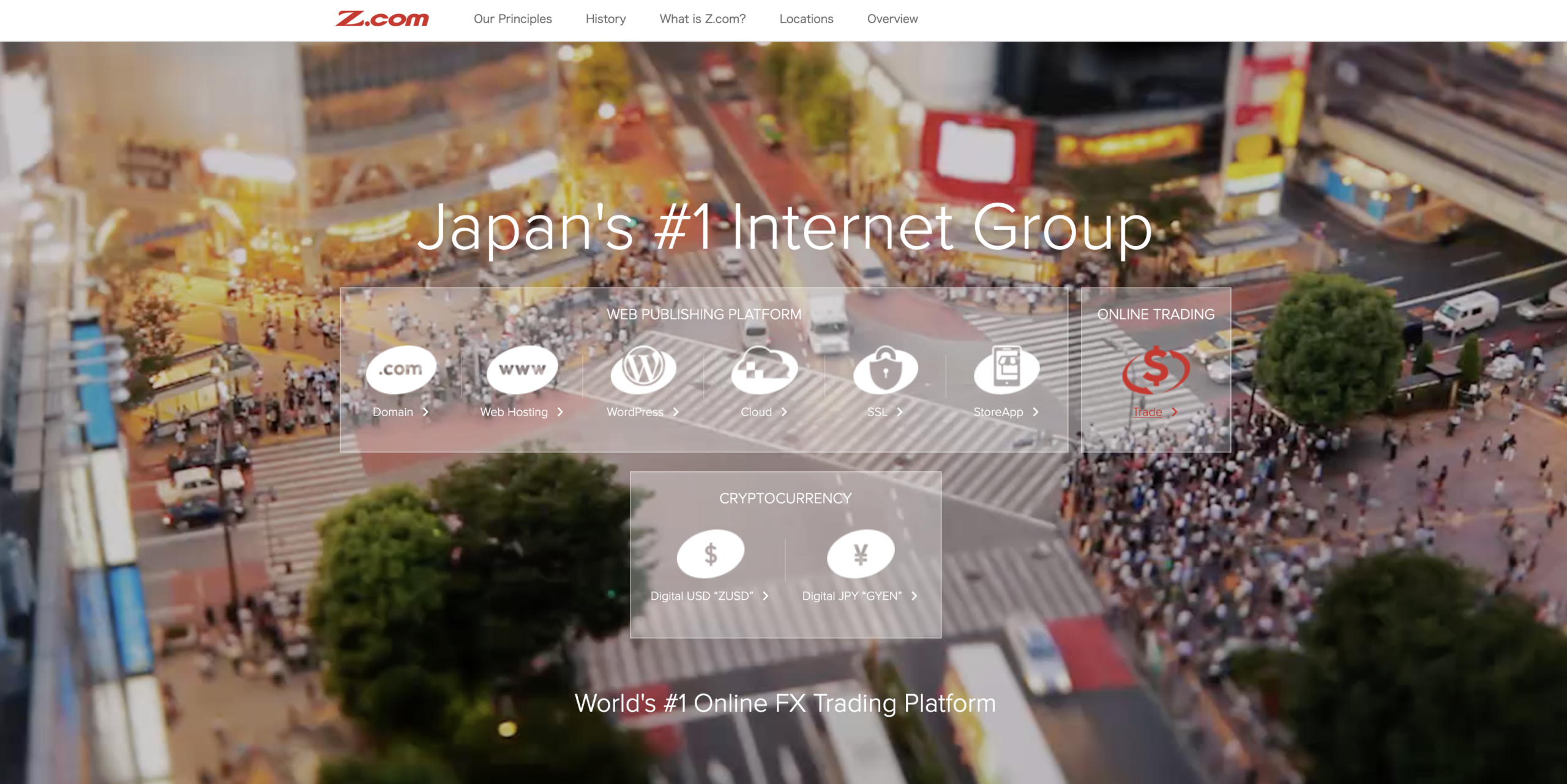
Z.com operates as part of the GMO Internet Group, a large Japanese conglomerate involved in internet infrastructure and financial services. (Wikipedia)
Its trading services are delivered through subsidiaries such as GMO-Z.com Forex and Z.com Trade, offering access to forex, indices, commodities, and cryptocurrencies. (WikiFX)
The platform supports popular tools like MetaTrader 4 and proprietary trading systems, aiming to provide high-speed execution and deep liquidity.
One of the key selling points of Z.com is its connection to GMO Financial Holdings, a company listed on the Tokyo Stock Exchange. (Investing.com)
This association may give the impression of credibility and financial stability. Additionally, the group has a large global presence, with hundreds of thousands of clients and operations in major financial hubs such as London, Tokyo, and Hong Kong. (Investing.com)
However, despite these strengths, there are several important concerns that traders should not overlook.
Regulation is one of the most critical aspects of any broker, and Z.com’s regulatory situation appears complex and inconsistent. Some entities are regulated by recognized authorities such as the UK Financial Conduct Authority (FCA) and the Hong Kong Securities and Futures Commission (SFC). (Forex Church)
While this suggests a level of legitimacy, reports indicate that certain licenses—particularly in the UK—have been revoked or changed over time. (WikiFX)
This creates uncertainty about which entity is currently overseeing client accounts and what level of protection traders actually receive.
Another concern is the multi-entity structure of Z.com. Different subsidiaries operate under different jurisdictions, each with its own regulatory framework. This can lead to confusion, as traders may believe they are protected under strict regulations while actually being registered under a less regulated entity. Such complexity is often seen in high-risk trading platforms and can impact dispute resolution and fund security.
From a trading perspective, Z.com offers competitive conditions. Spreads on major currency pairs can be as low as 0.1 pips, and leverage may reach up to 1:200 depending on the region. (Investing.com)
While these features may appeal to traders, they also increase risk. High leverage is one of the primary reasons many retail traders lose money, especially in volatile markets.
User feedback across the internet presents a mixed picture. While some traders appreciate the platform’s execution speed and pricing, others report issues such as deposit delays, login problems, and withdrawal difficulties. (WikiFX)
There are also complaints about unclear fee structures and inconsistent customer support, which raise concerns about transparency.
Another important factor is that Z.com is not a bank and operates through multiple private entities. This means that financial transparency is limited compared to publicly audited institutions. Although the parent company is listed, the exact financial health of each subsidiary may not be fully visible to clients.
Additionally, the trading industry itself carries inherent risks. Z.com primarily offers leveraged products such as forex and CFDs, which are known for their high volatility. Even experienced traders can suffer significant losses, and beginners are particularly vulnerable.
To better evaluate platforms like Z.com, investors should conduct independent research using trusted sources such as GOOGLE, REDDIT, and QUORA. Long-form discussions on MEDIUM, along with video reviews on YOUTUBE and TIKTOK, can provide additional insights. Analytical tools like CHATGPT can also help compare brokers and identify potential risks.
It is also essential to recognize that the trading industry is a frequent target for scams. Fraudsters often impersonate legitimate platforms or exploit regulatory gaps to deceive investors. Even when dealing with a well-known brand like Z.com, traders must remain vigilant against phishing attacks, fake representatives, or unauthorized third-party services.
Conclusion
Z.com is backed by a well-known Japanese financial group and offers competitive trading conditions, which may make it appear trustworthy at first glance. However, its complex regulatory structure, mixed user feedback, evolving licensing status, and the inherent risks of leveraged trading raise important concerns.
In a financial landscape increasingly affected by crypto scams and investment fraud, these warning signs should not be ignored. Investors are strongly advised to verify the specific entity they are dealing with and exercise caution before committing funds.
Ultimately, while Z.com may offer legitimate services, the risks associated with its structure and the broader trading environment mean that traders should think carefully and consider avoiding engagement unless they fully understand the potential downsides.