
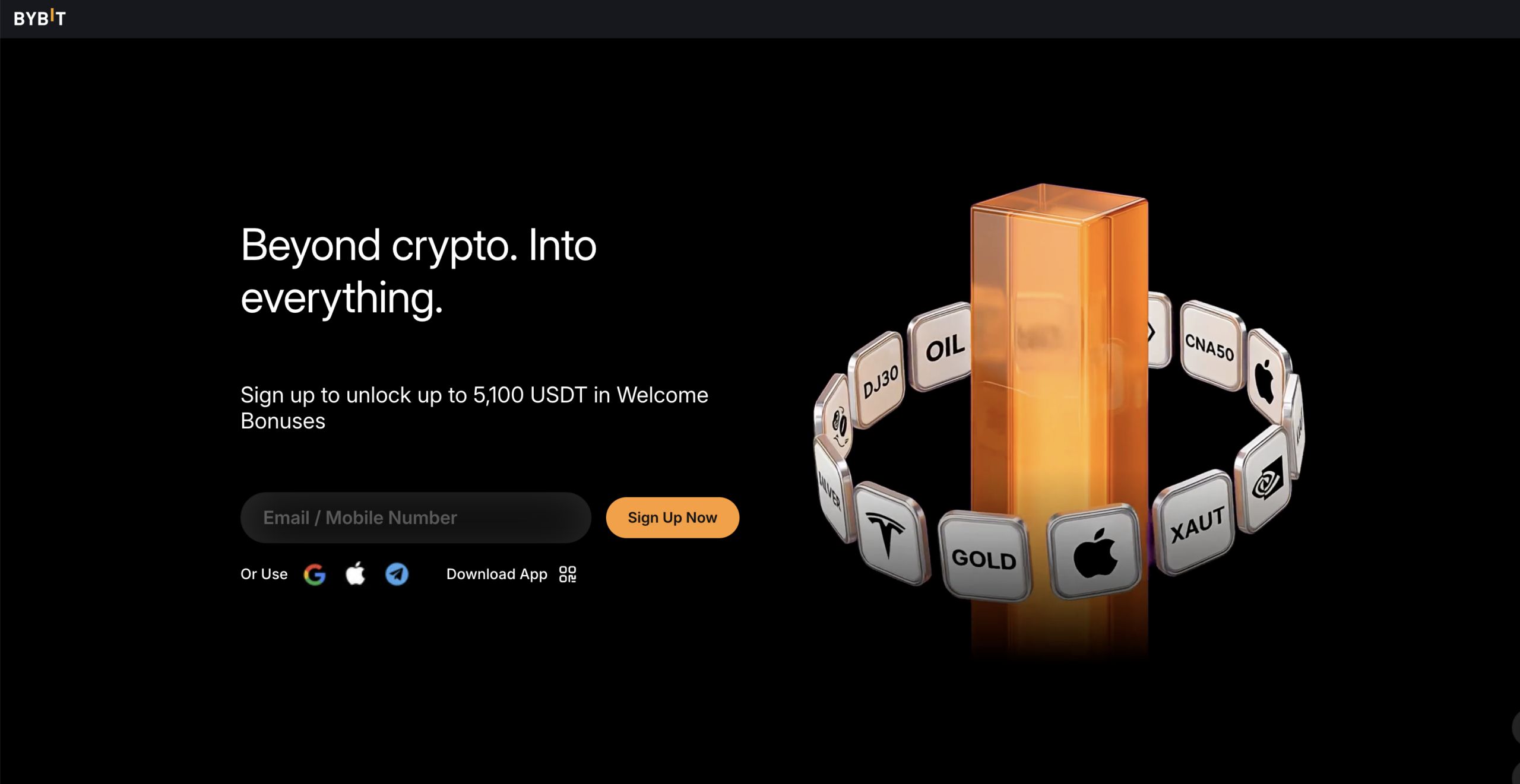
The cryptocurrency industry continues to attract millions of investors searching for fast profits, passive income opportunities, and high-leverage trading. However, the rapid growth of the crypto market has also created an environment filled with hacking incidents, regulatory warnings, frozen accounts, and investor losses. One platform that has remained at the center of major controversy is Bybit.
Although Bybit markets itself as one of the world’s largest cryptocurrency exchanges, the platform has increasingly faced criticism over security concerns, regulatory pressure, frozen account complaints, and high-risk trading features. The exchange has also been linked to one of the largest crypto hacks in history, raising serious questions about the safety of user funds.
For anyone considering using Bybit, understanding the risks behind the platform is critical before depositing money.
What Is Bybit?
Bybit is a cryptocurrency exchange founded in 2018 that offers:
- Crypto spot trading
- Futures and derivatives trading
- Margin trading
- Staking services
- Copy trading
- Crypto lending
- Web3 products
- High-leverage perpetual contracts
The company claims to serve tens of millions of users globally and heavily markets itself as a professional-grade crypto trading platform. (Bybit)
Bybit became especially popular because of its aggressive leverage offerings and advanced derivatives products. However, these same features are also considered extremely dangerous for inexperienced traders.
Massive 2025 Bybit Hack Raises Alarm
One of the biggest warning signs surrounding Bybit is the massive 2025 security breach that reportedly resulted in approximately $1.4–$1.5 billion worth of cryptocurrency being stolen. Multiple major news outlets described the attack as potentially the largest crypto theft in history. (MarketWatch)
Reports stated that hackers compromised an Ethereum cold wallet and transferred hundreds of thousands of ETH tokens to unidentified wallets. (MarketWatch)
Following the hack:
- Thousands of users reportedly rushed to withdraw funds
- Withdrawal requests surged dramatically
- Concerns spread across the crypto industry
- Questions emerged about exchange security infrastructure
(The Guardian)
Although Bybit claimed customer assets remained backed and withdrawals continued operating, the incident exposed the enormous risks associated with centralized crypto exchanges.
For investors, this hack served as a reminder that even large exchanges can suffer devastating security failures.
Regulatory Problems Around the World
Another major concern surrounding Bybit involves regulatory scrutiny in multiple countries.
Reports indicate that Bybit has faced warnings or restrictions in jurisdictions including:
- Japan
- United Kingdom
- United States
- Philippines
(Wikipedia)
The platform has reportedly been accused of operating without proper authorization in certain regions. According to publicly available information, Japan’s Financial Services Agency previously warned Bybit about offering crypto services without registration. (Wikipedia)
The United Kingdom also restricted certain crypto derivative activities connected to Bybit. (Wikipedia)
Additionally, reports from 2025 suggested that Philippine authorities blocked access to Bybit alongside several other international exchanges over compliance concerns. (Wikipedia)
Regulatory problems are serious warning signs because they may indicate:
- Weak compliance standards
- Investor protection concerns
- Legal uncertainty
- Operational risk
Crypto investors should never ignore repeated regulatory actions against an exchange.
Frozen Accounts and Withdrawal Complaints
Another issue repeatedly seen across review platforms involves complaints about frozen accounts and withdrawal problems.
On review websites such as Trustpilot, some users describe situations involving:
- Account restrictions
- Delayed withdrawals
- Identity verification problems
- Frozen funds
- Slow customer support responses
(Trustpilot)
While some traders report positive experiences, the number of negative complaints remains concerning.
In the crypto industry, frozen-account complaints can become especially dangerous because users often have limited legal recourse when dealing with offshore exchanges.
Once crypto assets become inaccessible, recovery can be extremely difficult.
High-Leverage Trading Creates Huge Risk
Bybit heavily promotes leveraged futures trading and perpetual contracts. (Bybit)
While leverage may appear attractive to beginners hoping for fast profits, it dramatically increases the likelihood of losing money quickly.
Many inexperienced traders fail to understand that high leverage can:
- Liquidate accounts within seconds
- Amplify market volatility
- Trigger emotional trading
- Cause devastating financial losses
Crypto derivatives trading is already considered one of the riskiest forms of investing. Platforms encouraging excessive leverage often expose users to catastrophic outcomes.
Copy Trading and Influencer Promotions
Like many crypto exchanges, Bybit aggressively promotes copy trading and influencer partnerships.
This creates another layer of danger because many inexperienced users mistakenly believe that copying “expert traders” guarantees profits.
In reality:
- Past results do not guarantee future success
- Many online trading influencers are unverified
- High-risk strategies can collapse suddenly
- Losses may happen extremely fast
The crypto industry has become filled with aggressive social media marketing designed to attract inexperienced retail traders.
Investors should be extremely cautious before trusting influencer promotions connected to any crypto platform.
Security Risks Remain a Major Concern
Even beyond the 2025 hack, centralized exchanges remain constant targets for cybercriminals.
Crypto platforms regularly experience:
- Phishing attacks
- Wallet breaches
- Insider threats
- API compromises
- Social engineering scams
The Bybit hack demonstrated that even major exchanges with large user bases are vulnerable to sophisticated attacks. (MarketWatch)
For many investors, keeping large balances on centralized exchanges may simply be too risky.
Why Investors Should Be Careful
There are several reasons why investors should approach Bybit cautiously:
- Massive historic hack exposure
- Regulatory warnings in multiple countries
- Frozen-account complaints
- High-risk leverage products
- Offshore operational structure
- Withdrawal-related complaints
- Volatile crypto market exposure
- Limited investor protections
The combination of these risks creates a dangerous environment for inexperienced traders and long-term investors alike.
Protecting Yourself From Crypto Trading Risks
Before using any cryptocurrency exchange, investors should:
- Research regulatory status carefully
- Avoid storing large balances on exchanges
- Use strong two-factor authentication
- Be cautious with leverage trading
- Test withdrawals before large deposits
- Avoid emotional or influencer-driven investing
- Verify all communications to avoid phishing scams
- Understand that crypto losses may be irreversible
The crypto industry remains one of the highest-risk financial sectors in the world.
Final Verdict on Bybit.com
Bybit has grown into one of the world’s largest cryptocurrency exchanges, but size alone does not eliminate risk.
The platform’s involvement in one of the largest crypto hacks in history, combined with regulatory scrutiny, frozen-account complaints, and dangerous high-leverage products, creates major concerns for investors. (MarketWatch)
Although some users continue to trade successfully on the exchange, the risks connected to Bybit should not be underestimated. Cryptocurrency trading is already highly volatile, and platforms operating in uncertain regulatory environments increase those dangers even further.
Investors should remain extremely cautious, avoid risking money they cannot afford to lose, and strongly consider using only properly regulated financial platforms with stronger investor protections.