
Let’s not sugarcoat this.
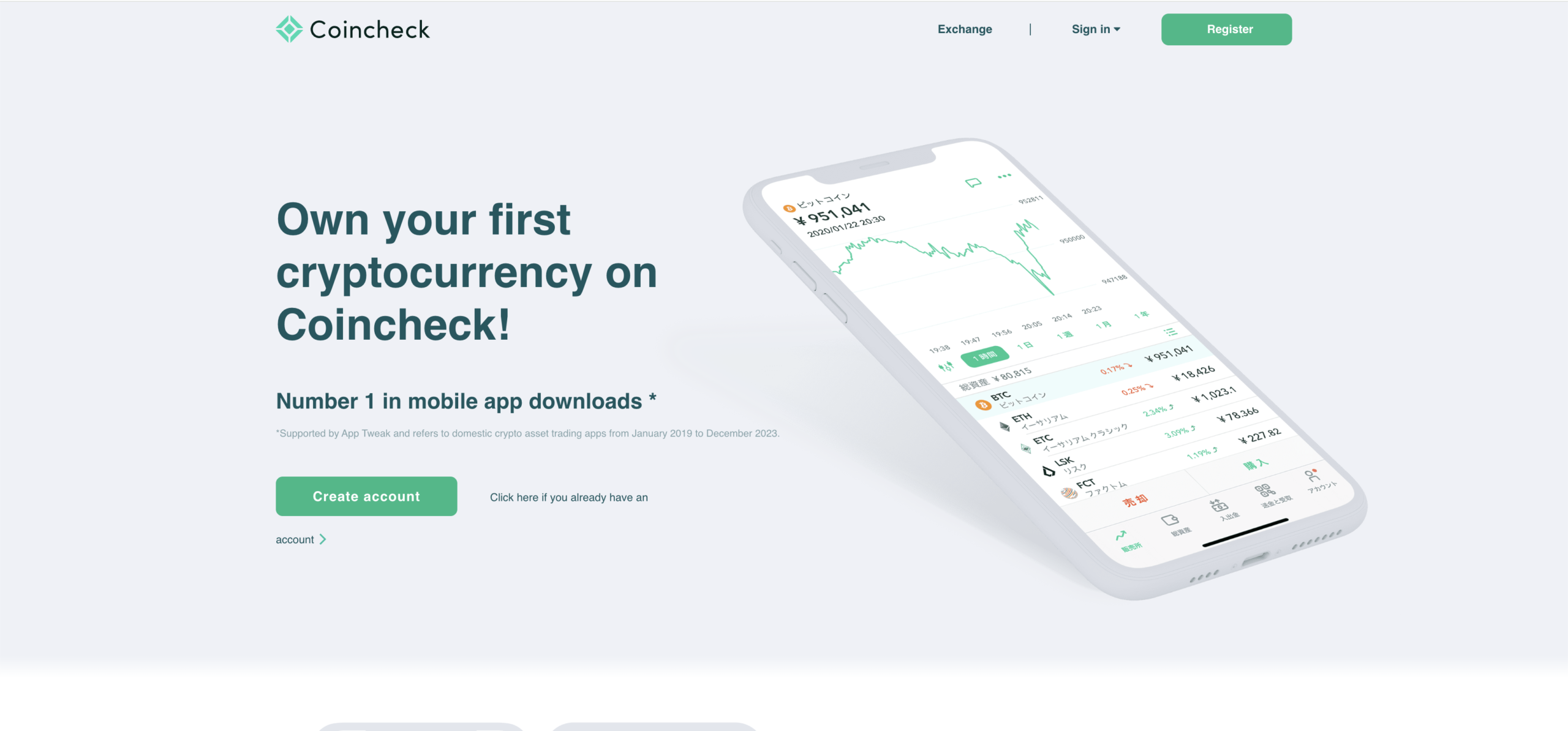
If you are considering using coincheck.com, you need to understand one thing first:
👉 This platform was at the center of one of the largest crypto thefts in history.
And that alone should force you to slow down.
RECOVERY YOUR CRYPTO IN FEW STEPS
The Incident That Changed Everything
In January 2018, Coincheck suffered a catastrophic breach:
- Over ¥58 billion (~$530 million) worth of crypto was stolen
- More than 260,000 users were affected
- Funds were taken from a hot wallet with weak security controls
👉 This wasn’t a minor glitch.
It was:
one of the biggest crypto exchange hacks ever recorded
🚨 What This Really Means (Beyond the Headlines)
Most people hear “hack” and move on.
But let’s break it down properly:
- Hackers accessed funds due to security vulnerabilities
- The platform froze withdrawals immediately
- Users were left uncertain about their money
👉 That moment is where trust breaks.
Because in crypto:
security is everything.
🚨 Red Flag #1: A Proven History of Security Failure
This is not speculation.
It is documented fact:
- Coincheck stored assets in less secure hot wallets
- That decision contributed directly to the breach
👉 In simple terms:
The system failed when it mattered most.
🚨 Red Flag #2: One of the Largest Crypto Losses Ever
Let’s put this into perspective:
- ~$530 million stolen
- At the time, bigger than many previous exchange hacks
- Triggered global concern about exchange security
👉 This wasn’t just a company problem.
It shook the entire crypto market.
🚨 Red Flag #3: Regulatory Pressure After the Incident
Following the hack:
- Japanese regulators stepped in
- The Financial Services Agency issued business improvement orders
- The entire industry faced tighter scrutiny
👉 Translation:
Authorities had to intervene because the system was not strong enough on its own.
RECOVERY YOUR CRYPTO IN FEW STEPS
🚨 Red Flag #4: Crypto Exchanges Are High-Risk by Nature
Coincheck is not alone—but that’s part of the problem.
Japan alone has seen:
- multiple exchange hacks
- repeated security incidents across platforms
👉 The takeaway:
Even regulated environments do not eliminate risk.
🚨 Red Flag #5: Centralized Exchanges = Single Point of Failure
Coincheck operates as a centralized exchange.
That means:
- Your funds are stored on their system
- You rely entirely on their security
👉 If the system is compromised:
your funds are exposed.
🚨 Red Flag #6: “Recovered Reputation” Doesn’t Erase History
Yes, Coincheck:
- Was later acquired by a major financial group
- Claimed to improve security
- Continued operations
But here’s the reality:
👉 A platform that has already failed at this scale
👉 will always carry that risk history
The Bigger Picture: What Investors Ignore
Most users focus on:
- ease of use
- available coins
- interface design
But ignore the real question:
👉 What happens when something goes wrong?
Because in crypto:
- there are no chargebacks
- no guaranteed recovery
- no safety net
What You Should Do Before Using Coincheck
If you’re still considering it:
- Never store large funds on any exchange
- Use cold wallets for long-term holding
- Withdraw profits immediately
- Treat exchanges as temporary not storage
Final Verdict: Not a Scam But a Proven High-Risk Platform
Let’s be clear:
👉 Coincheck is a real exchange
👉 But it has a documented history of massive failure
And that matters more than branding.
Conclusion
In crypto, trust is not built on promises it’s built on performance under pressure.
Coincheck has already faced that test.
And it failed at a scale that cost hundreds of millions.
👉 That doesn’t mean you can’t use it.
👉 But it means you should never trust it blindly.
Because in this space:
The biggest mistake isn’t entering the market, it’s underestimating the risk of where you place your funds.