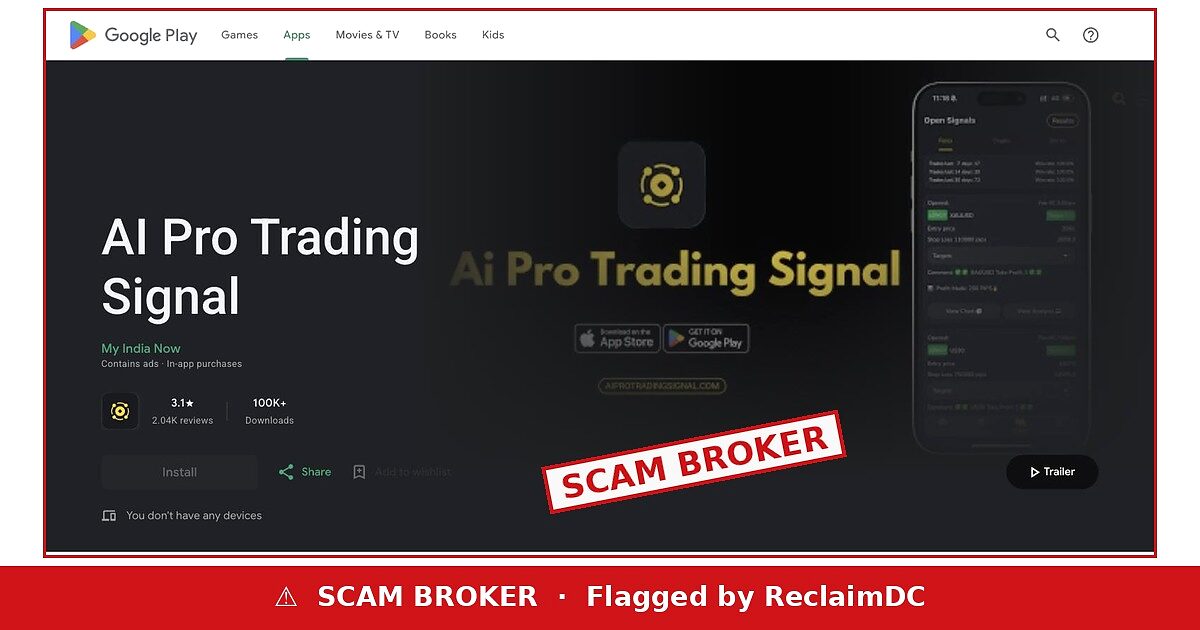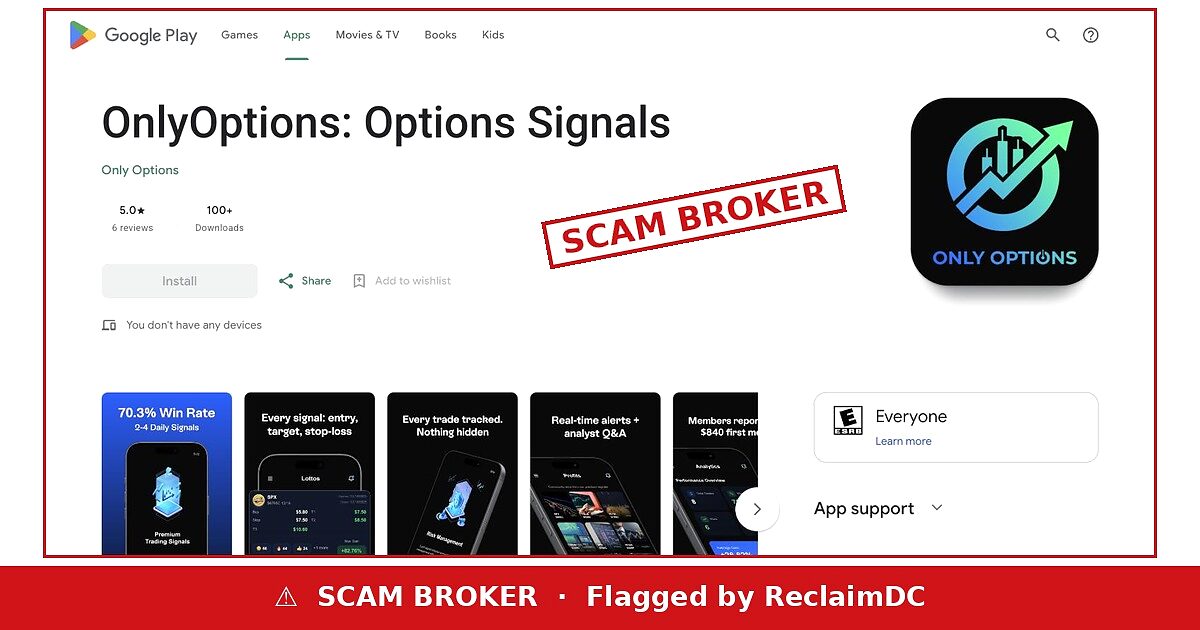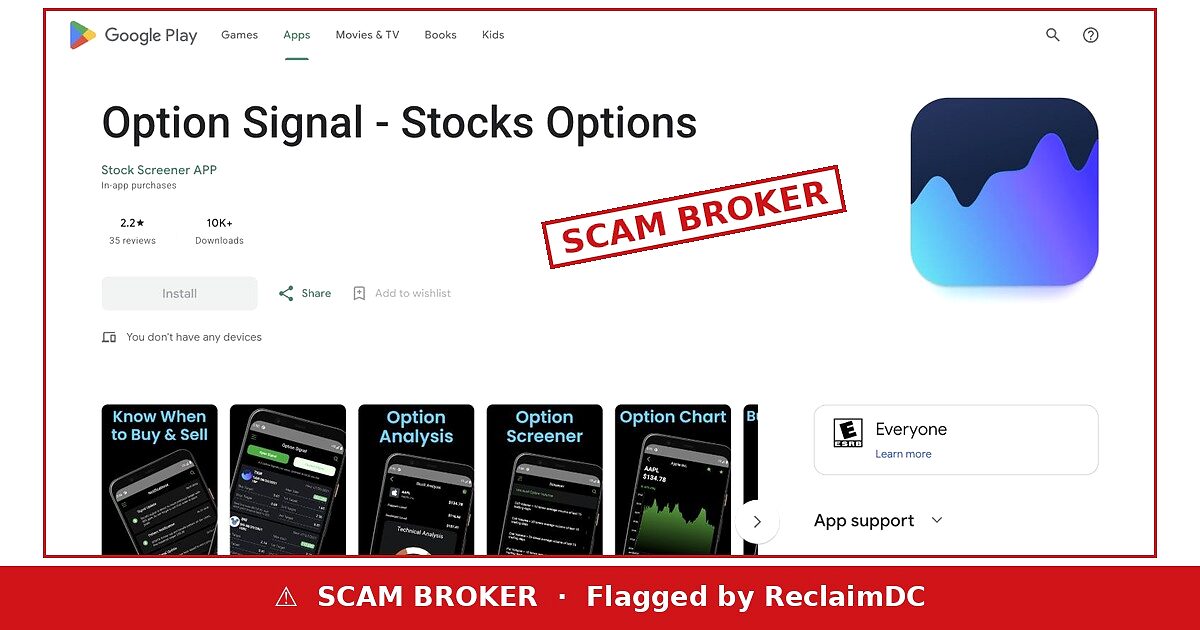

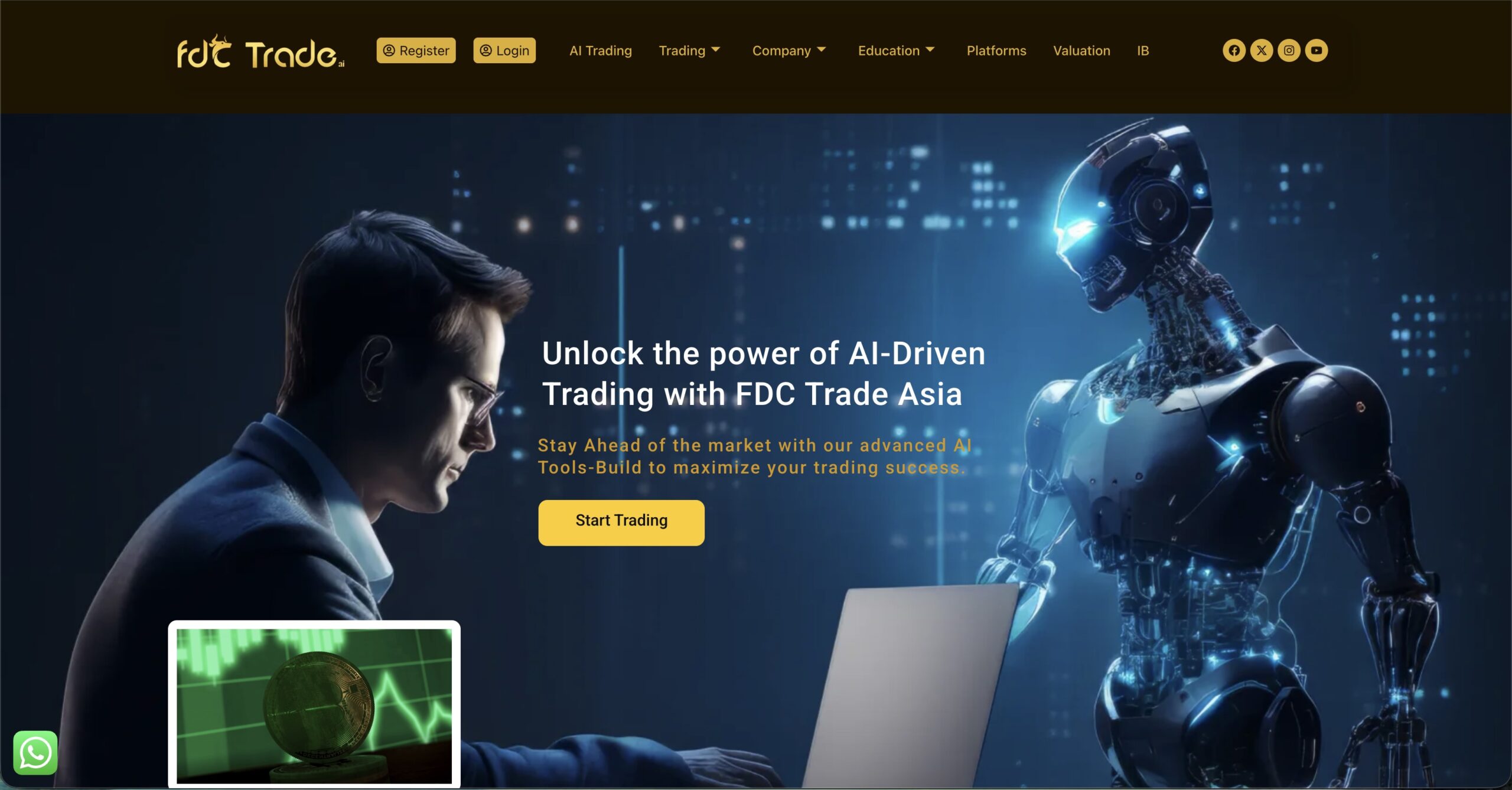
The online trading industry continues to attract retail investors with promises of fast profits, advanced trading platforms, and easy access to global financial markets. While many brokers operate under strict regulatory oversight, others function with limited transparency, questionable licensing, and practices that can place investor funds at significant risk. One platform that deserves careful scrutiny is FDCTrade.
FDCTrade presents itself as an online trading broker offering access to forex, cryptocurrencies, commodities, indices, and other financial instruments. Through professional branding and attractive marketing claims, the platform seeks to appeal to both beginner and experienced traders. However, investors should always look beyond promotional materials and examine the facts before committing funds.
This investigation highlights the major warning signs associated with FDCTrade and explains why caution is essential.
What Is FDCTrade?
FDCTrade markets itself as a financial trading platform that provides investors with opportunities across multiple asset classes. Like many online brokers, the company promotes features such as:
- Forex trading
- Cryptocurrency investments
- Commodities trading
- Stock market access
- CFD trading
- Trading tools and analytics
- Fast account registration
The platform emphasizes the potential for traders to participate in global markets and pursue investment growth. However, successful investing depends not only on market performance but also on the reliability and integrity of the broker holding client funds.
Before opening an account with any broker, investors should carefully verify its regulatory status, corporate transparency, and operational history.
Warning Sign #1: Questions About Regulation
One of the most important factors when evaluating any broker is regulation.
Legitimate financial firms generally provide:
- Regulatory license numbers
- Supervisory authority details
- Legal entity information
- Investor-protection disclosures
- Compliance documentation
When a broker lacks clear oversight from recognized regulators such as the FCA, ASIC, CySEC, or CFTC, investors face additional risks.
Without strong regulation, clients may encounter problems involving:
- Fund security
- Withdrawal disputes
- Account restrictions
- Customer complaints
- Limited legal recourse
A professional-looking website should never be considered proof of legitimacy.
Investors should independently verify any regulatory claims through official regulatory databases.
Warning Sign #2: Offshore Broker Risks
Many high-risk brokers choose to operate through offshore jurisdictions where compliance requirements are less stringent.
Potential concerns include:
- Reduced investor protection
- Limited supervision
- Difficult legal enforcement
- Lower transparency standards
- Complex dispute resolution
Offshore registration does not automatically indicate wrongdoing. However, it often means investors have fewer protections compared to brokers regulated in major financial jurisdictions.
Understanding where a broker is based and who supervises its operations is essential before depositing funds.
Warning Sign #3: Withdrawal Problems Are a Common Industry Red Flag
Across the online trading industry, withdrawal complaints frequently emerge when dealing with high-risk brokers.
Typical issues include:
- Delayed withdrawal requests
- Rejected transactions
- Excessive verification procedures
- Unexpected fees
- Frozen accounts
- Poor customer support
Many investors report smooth experiences while depositing money but encounter difficulties once they attempt to withdraw profits or recover their original capital.
The ability to withdraw funds reliably is one of the strongest indicators of a broker’s credibility.
Before making substantial deposits, traders should always test the withdrawal process with smaller amounts.
Warning Sign #4: Aggressive Sales Practices
Questionable trading platforms often rely on aggressive marketing and sales techniques to encourage larger deposits.
Common warning signs include:
Frequent Phone Calls
Representatives repeatedly contact potential clients.
Pressure to Deposit Quickly
Investors are encouraged to act before conducting proper research
Fear of Missing Out
Promotional messages emphasize exclusive opportunities and limited-time offers.
Encouragement to Increase Deposits
Clients may be pressured to invest more money after making an initial deposit.
Legitimate financial institutions generally allow investors to make decisions at their own pace.
Pressure-based sales tactics should always raise concerns.
Warning Sign #5: Unrealistic Profit Promises
Many problematic brokers attract investors by focusing heavily on potential profits while minimizing risks.
Warning signs include:
- Guaranteed returns
- Risk-free investing
- Consistent account growth
- Predictable profits
- Claims of extraordinary success
No legitimate broker can guarantee profits.
Financial markets are inherently unpredictable, and every investment carries risk.
Investors should remain skeptical of any platform that appears to promise easy money.
Warning Sign #6: Lack of Corporate Transparency
Transparency is essential in financial services.
Before trusting a broker, investors should be able to verify:
- Company ownership
- Executive leadership
- Regulatory status
- Business registration
- Physical office locations
- Corporate history
When important information is hidden or difficult to confirm, risk increases substantially.
Trustworthy financial firms generally make such information readily available because transparency promotes accountability.
Common Scam Patterns Investors Should Recognize
Many high-risk investment platforms follow similar patterns.
Professional Appearance
The website looks sophisticated and trustworthy.
Initial Deposits
Investors begin with small amounts.
Apparent Success
Account balances appear to grow.
Requests for Larger Investments
Account managers encourage bigger deposits.
Withdrawal Difficulties
Problems emerge once funds are requested.
Additional Fee Demands
Victims may be asked to pay:
- Taxes
- Verification fees
- Security deposits
- Compliance charges
- Account activation costs
before accessing their own money.
Legitimate financial institutions generally deduct fees directly from account balances rather than demanding additional payments.
Why Investors Lose Money
Many victims are not inexperienced.
Professional marketing, persuasive sales representatives, and apparent account profits can influence even cautious investors.
Common psychological factors include:
- Fear of missing opportunities
- Trust in authority figures
- Excitement over profits
- Social proof
- Pressure from account managers
Recognizing these influences can help investors make more rational decisions.
How Investors Can Protect Themselves
Before investing with FDCTrade or any online broker:
Verify Regulation Independently
Always confirm licensing information directly through official regulatory databases.
Start Small
Never deposit more than you can afford to lose.
Test Withdrawals Early
A successful withdrawal is often more important than a successful trade.
Keep Detailed Records
Save:
- Deposit confirmations
- Withdrawal requests
- Emails
- Chat logs
- Statements
- Terms and conditions
Conduct Independent Research
Research the broker through:
Avoid Recovery Scams
Investors who lose money are frequently targeted by recovery scammers promising to recover funds for upfront fees.
These schemes often create additional financial losses.
Final Verdict: Stay Away From FDCTrade
FDCTrade displays multiple warning signs that cautious investors should carefully evaluate. Questions regarding regulation, transparency, withdrawal reliability, offshore risks, and aggressive marketing practices create a risk profile that deserves serious scrutiny.
While every investor should perform independent due diligence, the available warning indicators suggest that caution is warranted. Professional branding, trading tools, and promises of financial growth cannot replace strong regulation and proven investor protections.
Until FDCTrade can demonstrate recognized regulatory authorization, transparent ownership, reliable withdrawal processing, and a verifiable history of protecting client funds, investors should remain skeptical.
The safest course of action is simple: stay away from FDCTrade and avoid depositing funds unless every regulatory, operational, and withdrawal-related concern has been independently verified beyond doubt. Protecting your capital should always take priority over promises of easy profits, fast returns, or guaranteed trading success.