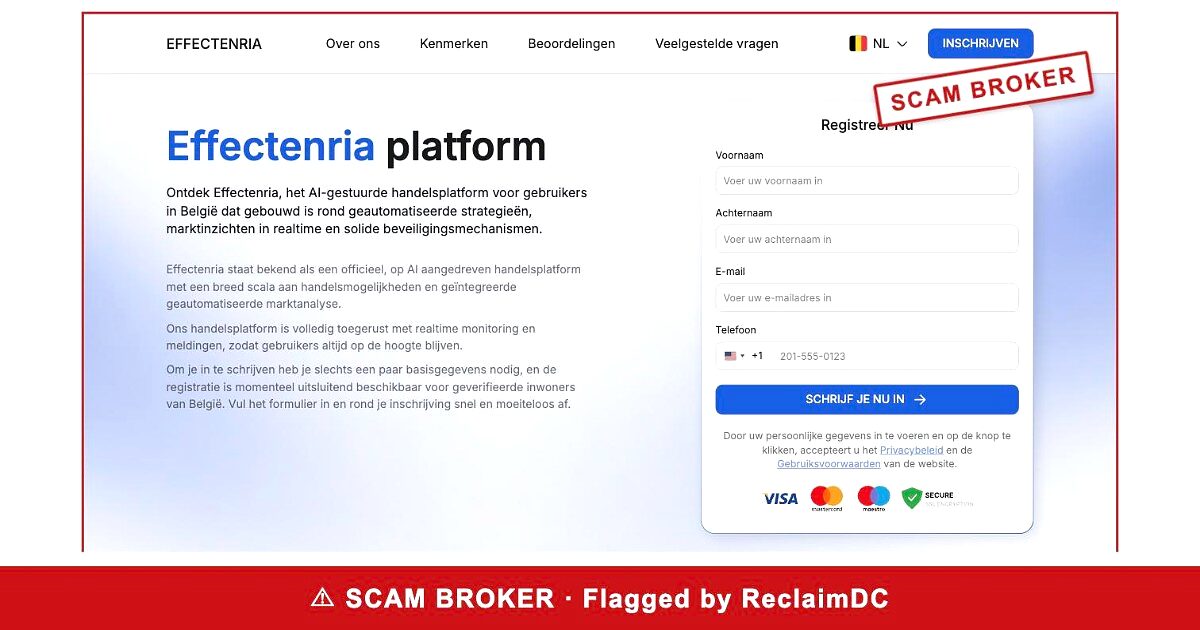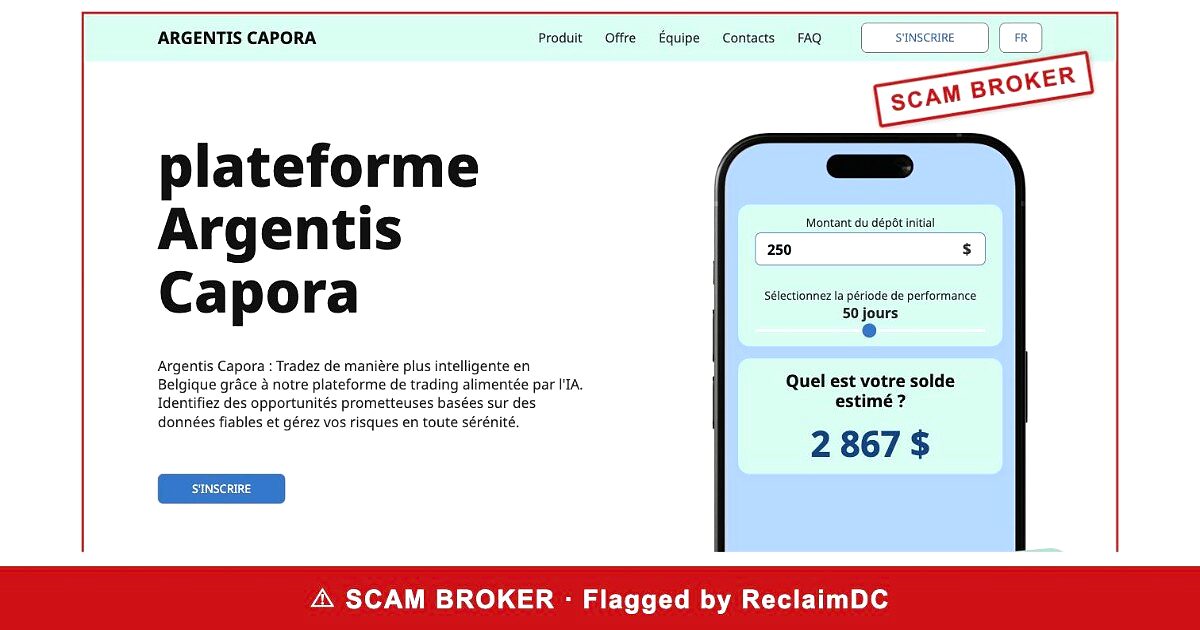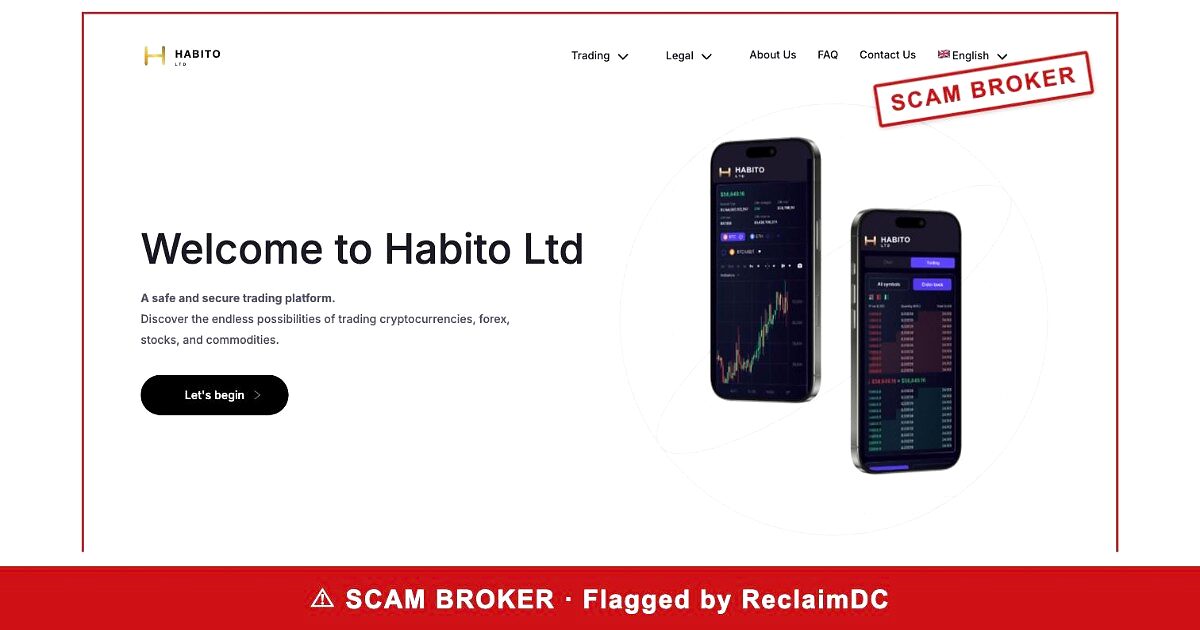


When analyzing https://fpmarkets.com, the risk profile is fundamentally different from the offshore brokers typically associated with scam allegations.
FP Markets is a long-established forex and CFD broker operating since 2005, with regulatory oversight in multiple jurisdictions and a large global client base. However, like all leveraged trading providers, it is not free from criticism, including complaints about withdrawals, account restrictions, execution issues, and customer support disputes.
The key question is not whether FP Markets is a scam.
The real question is:
Does FP Markets present manageable trading risk, or hidden operational risk that traders underestimate?
1. Regulation: One of the Strongest Indicators of Legitimacy
FP Markets operates under multiple regulatory frameworks, including:
- Australian Securities and Investments Commission (ASIC)
- Cyprus Securities and Exchange Commission (CySEC)
- Financial Sector Conduct Authority (FSCA)
These regulators impose:
- Segregation of client funds
- Capital adequacy requirements
- Compliance monitoring
- Formal complaint channels
This places FP Markets in a significantly lower scam-risk category compared to offshore-only brokers.
2. Is FP Markets a Scam?
Based on available evidence, FP Markets is not a scam broker.
The broker:
- Has operated since 2005
- Serves clients globally
- Maintains multiple regulatory licenses
- Processes large trading volumes
- Has a long-standing industry presence
Scam brokers typically show patterns such as:
- Fake regulation claims
- Anonymous ownership
- Sudden domain changes
- Systematic withdrawal blocking
FP Markets does not match that profile.
3. Withdrawal Experience: Mostly Positive, Not Perfect
User feedback shows a largely positive withdrawal experience overall.
On Trustpilot, FP Markets holds a very high rating (~4.8/5), with thousands of reviews praising:
- Fast deposits and withdrawals
- Responsive customer support
- Smooth onboarding
- Reliable trading platforms
However, not all feedback is positive.
Some users report:
- Withdrawal delays during verification
- Account holds for compliance checks
- Bank transfer processing delays
- Frustration with support response times
These issues are typically linked to:
- Anti-money laundering checks
- Bank processing times
- Regulatory compliance procedures
Not evidence of systematic fund denial.
4. Execution and Trading Complaints
Like many CFD brokers, FP Markets receives complaints related to:
- Slippage during volatile markets
- Spread widening during news events
- Stop-loss execution differences
- Liquidity-related price differences
These issues are common across the industry because:
- CFDs are OTC instruments
- Pricing depends on liquidity providers
- Volatility impacts execution quality
Importantly, these complaints do not automatically indicate manipulation.
They are often structural features of leveraged trading.
5. “Scam Claims” in Forums: Context Matters
Some online posts allege:
- Account liquidation disputes
- Trading rule disagreements
- Withdrawal frustrations
- Accusations of unfair trading conditions
However, forum content is highly variable and often reflects:
- Emotional trading losses
- Misunderstanding of margin rules
- Violations of broker terms
- Isolated disputes without full documentation
In regulated environments, brokers also have the ability to enforce trading rules, which can lead to account restrictions if terms are violated.
That does not equal fraud.
It equals enforcement of contract conditions.
6. The Real Risk Most Traders Ignore
The biggest danger in trading is not usually the broker.
It is:
- Over-leverage
- Poor risk management
- Emotional decision-making
- Lack of understanding of margin rules
Even with a fully regulated broker like FP Markets, traders can lose money quickly due to:
- High leverage
- Market volatility
- Liquidation mechanics
Many “scam accusations” originate from trading losses, not broker misconduct.
7. Why FP Markets Is Different from Offshore Brokers
Compared to offshore brokers, FP Markets provides:
- Stronger regulatory oversight
- More formal dispute channels
- Established corporate structure
- Longer operating history
- Better transparency
Offshore brokers often lack:
- Tier-1 supervision
- Compensation schemes
- Legal enforceability
- Stable regulatory frameworks
This difference is critical when evaluating risk.
8. Investor Protection Checklist
Even with a regulated broker like FP Markets, traders should:
- Verify which entity holds their account
- Understand regulatory jurisdiction
- Test withdrawals early
- Avoid excessive leverage
- Keep full trade records
- Read trading conditions carefully
- Monitor margin requirements
Regulation reduces risk—but does not eliminate trading losses.
9. The Only Question That Matters
Ignore marketing.
Ignore awards.
Ignore reviews.
Ask:
If something goes wrong, who can actually enforce a resolution?
With FP Markets, the answer includes:
- ASIC / CySEC / FSCA regulatory frameworks
- Formal complaint processes
- External dispute channels
This significantly improves investor protection compared to offshore brokers.
Final Verdict: Is FP Markets Safe?
FP Markets is not a scam broker.
It is a legitimate, long-standing, regulated trading provider with a strong global presence.
Strengths:
- Tier-1 and Tier-2 regulation (ASIC, CySEC, FSCA)
- Long operational history (since 2005)
- High Trustpilot rating (~4.8/5)
- Strong execution infrastructure
- Broad asset offering
Risks:
- CFD trading losses due to leverage
- Execution variability during volatility
- Verification and withdrawal delays in some cases
- Standard broker-client disputes
The most accurate classification is:
Low scam-risk regulated broker with normal operational complaints and significant trading-related risk exposure.
Stay Away Conclusion
FP Markets does not fit the profile of a scam broker.
But that should not lead to overconfidence.
The real danger in trading is not usually fraud.
It is misunderstanding leverage, risk, and market mechanics.
With fpmarkets.com, the evidence supports a regulated, established broker where risks are primarily trading-related—not structural fund safety issues.
If capital protection is your priority, the correct focus is not fear of the broker—but discipline in how you trade.