
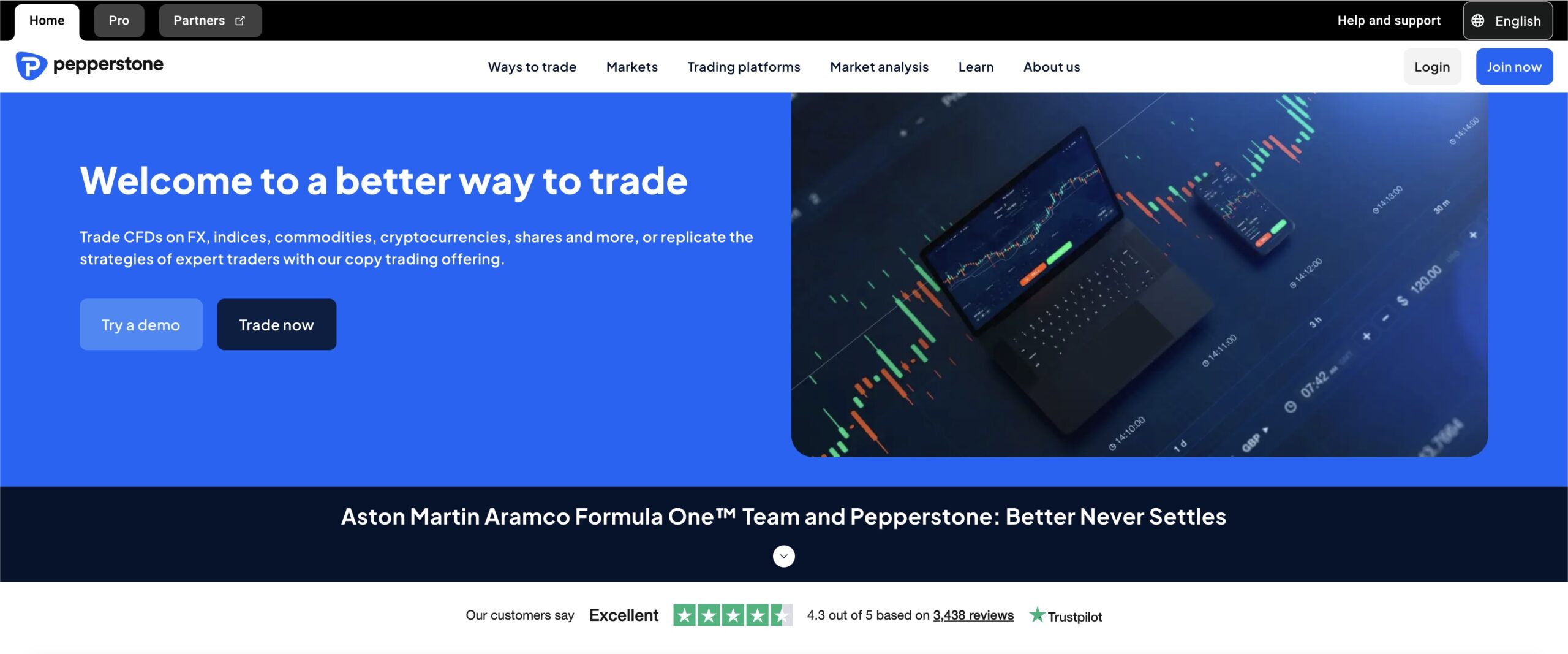
When analyzing https://pepperstone.com, the evidence points to a significantly different risk profile compared to many offshore forex brokers.
Pepperstone is one of the largest retail forex and CFD brokers globally and operates under multiple major regulatory licenses. However, no broker is completely free from complaints, and Pepperstone has faced criticism involving account disputes, slippage concerns, stop-loss execution issues, and withdrawal complaints from some users.
The key question is not whether Pepperstone is a scam.
The more useful question is:
Does Pepperstone present meaningful risks that traders should understand before depositing funds?
The answer is yes—but those risks are generally different from the risks associated with unregulated or offshore brokers.
1. Regulation: Pepperstone’s Strongest Advantage
One of the biggest distinctions between Pepperstone and many brokers reviewed in scam-alert reports is regulation.
Pepperstone operates under licenses from major financial authorities, including:
- Financial Conduct Authority (FCA)
- Australian Securities and Investments Commission (ASIC)
- Cyprus Securities and Exchange Commission (CySEC)
- Dubai Financial Services Authority (DFSA)
These regulators impose stricter requirements than most offshore jurisdictions.
This generally means:
- Segregated client funds
- Compliance monitoring
- Capital adequacy requirements
- Formal dispute resolution procedures
That does not eliminate risk, but it significantly improves investor protection.
2. Is Pepperstone a Scam?
Based on publicly available evidence, Pepperstone is not a scam broker.
The company has:
- Operated for many years
- Built a global customer base
- Maintained regulatory oversight in multiple jurisdictions
- Received industry awards
- Established partnerships and institutional relationships
These characteristics are inconsistent with typical scam broker operations.
Scam brokers often show:
- Fake licenses
- Anonymous ownership
- Regulatory warnings
- Frequent domain changes
- Systematic withdrawal refusals
Pepperstone does not fit that profile.
3. Withdrawal Complaints Still Exist
Even highly regulated brokers receive withdrawal complaints.
Reported issues from some traders include:
- Delayed withdrawals
- Verification-related hold-ups
- Additional compliance requests
- Payment processing delays
- Banking transfer complications
However, unlike many offshore broker complaints, allegations of permanent withdrawal refusal are relatively uncommon.
Most complaints involve:
- Processing time frustrations
- Verification requirements
- Administrative delays
That distinction is important.
A delay is not the same thing as a refusal.
4. Trading Execution Complaints
One of the most common criticism areas involves execution quality.
Some users have reported:
- Slippage during volatile markets
- Stop-loss orders executing at worse prices than expected
- Spread widening during major news events
- Temporary platform instability
These complaints are common throughout the CFD industry.
The key question is whether these events result from:
- Normal market conditions
- Liquidity constraints
- Broker misconduct
In most publicly documented cases involving regulated brokers, proving deliberate manipulation is extremely difficult.
5. The Leverage Risk Most Traders Ignore
Many traders focus on broker safety while ignoring trading risk.
Pepperstone offers leveraged CFD trading across:
- Forex
- Indices
- Commodities
- Cryptocurrencies
- Shares
Leverage can amplify losses dramatically.
For example:
- A small market move can eliminate a large percentage of account equity
- Margin calls may occur rapidly
- Volatility can exceed expectations
Many scam accusations against brokers originate from traders who misunderstood leverage risk.
Losses do not automatically indicate misconduct.
6. Trustpilot and User Feedback
Pepperstone generally maintains strong review scores compared to many competitors.
Positive reviews commonly mention:
- Fast account setup
- Responsive customer support
- Reliable trading platforms
- Efficient withdrawals
- Competitive spreads
However, negative reviews still appear.
Common criticisms include:
- Compliance delays
- Execution concerns
- Customer service disputes
- Account verification frustrations
This mixed feedback is normal for large financial institutions serving clients worldwide.
7. The Real Risk: CFDs, Not Necessarily the Broker
Many retail traders incorrectly focus on broker legitimacy while ignoring product risk.
CFDs themselves carry significant dangers:
- Most retail traders lose money
- Leverage magnifies losses
- Market volatility can trigger rapid liquidations
- Emotional trading often causes substantial damage
Even with a perfectly regulated broker, traders can lose their entire account balance through poor risk management.
That risk often exceeds broker-related risk.
8. Investor Protection Tips
Before depositing with any broker, including Pepperstone:
- Verify which regulatory entity your account falls under
- Read all client agreements carefully
- Test withdrawals before increasing deposits
- Avoid excessive leverage
- Keep transaction records
- Understand margin requirements
- Never risk money you cannot afford to lose
These precautions reduce exposure regardless of broker reputation.
9. The Question That Actually Matters
When evaluating a broker, ask:
If a dispute occurs, who can hold the broker accountable?
For Pepperstone clients, possible avenues include:
- Financial regulators
- Formal complaints procedures
- Financial ombudsman systems (depending on jurisdiction)
- Regulatory dispute mechanisms
That level of oversight provides significantly more protection than most offshore brokers offer.
Final Verdict: Is Pepperstone Safe?
Pepperstone is not a scam broker based on available evidence.
Strengths:
- Multiple Tier-1 regulatory licenses
- Long operational history
- Strong global reputation
- Segregated client fund requirements
- Large customer base
Risks:
- CFD trading losses
- Slippage during volatility
- Verification and withdrawal delays in some cases
- High leverage exposure
- Market risk far exceeding broker risk
The most accurate classification is:
Low scam-risk regulated broker with normal operational complaints and significant trading-related risks.
Stay Away Conclusion
Most scam-alert investigations focus on weak regulation, offshore structures, and withdrawal refusal allegations.
Pepperstone does not fit that pattern.
However, that does not mean traders should become complacent.
The greatest danger for most Pepperstone clients is unlikely to be broker fraud.
The greater risk is:
- Excessive leverage
- Poor risk management
- Market volatility
- Emotional trading decisions
While no broker is perfect, the available evidence does not support classifying pepperstone.com as a scam operation.
Traders should still proceed carefully, but concerns should focus more on trading risk than on broker legitimacy.