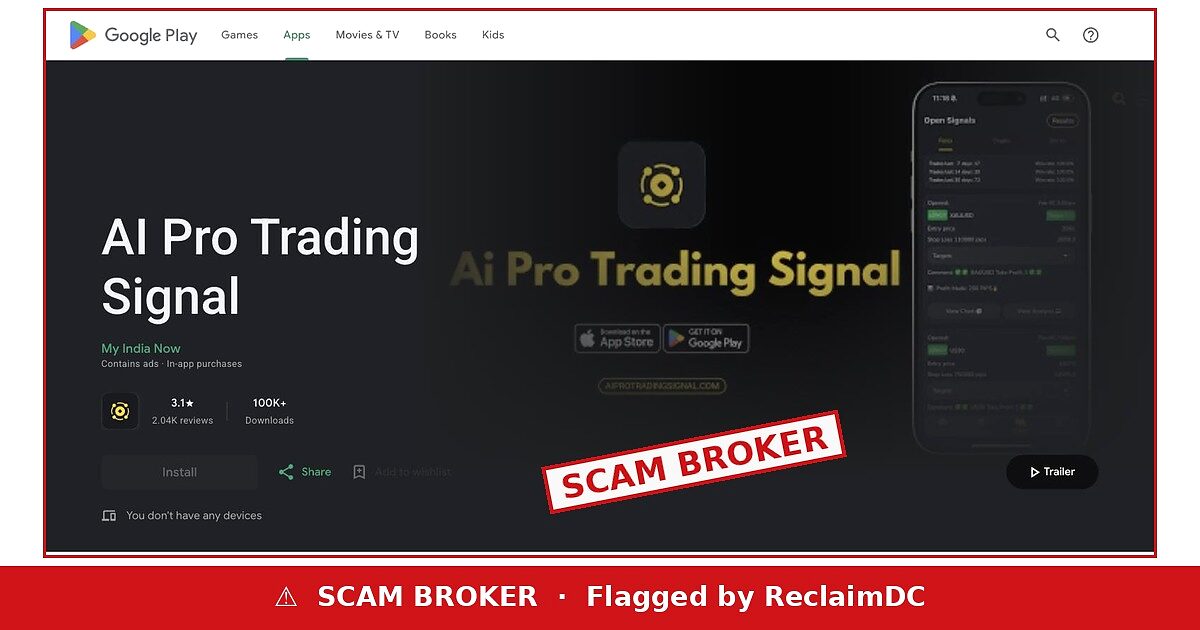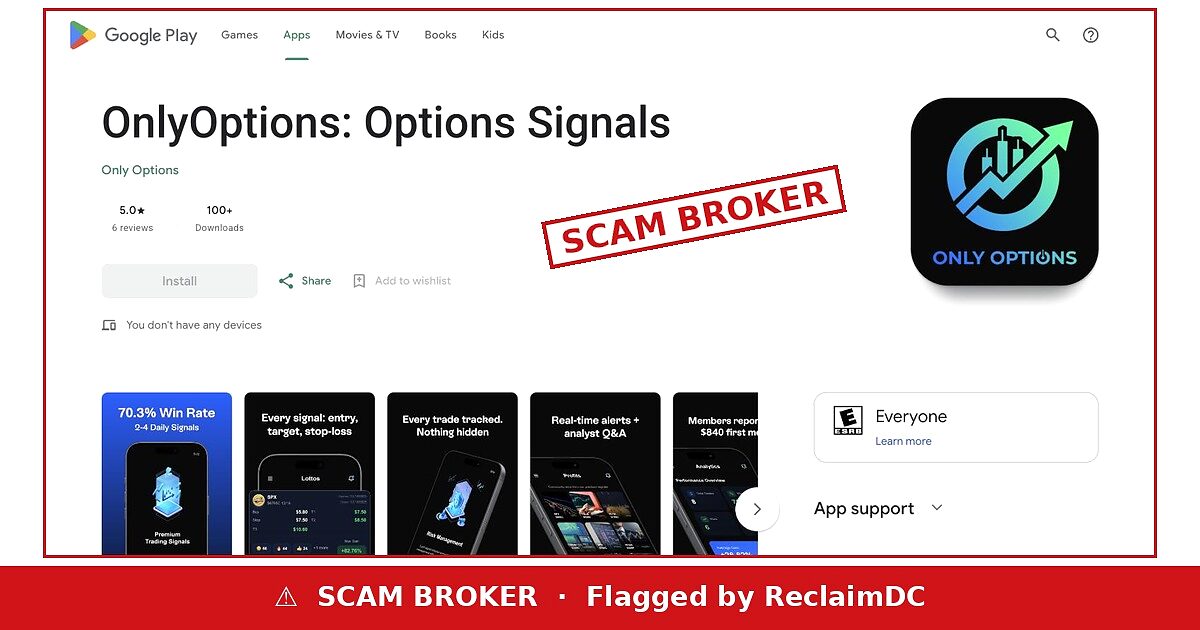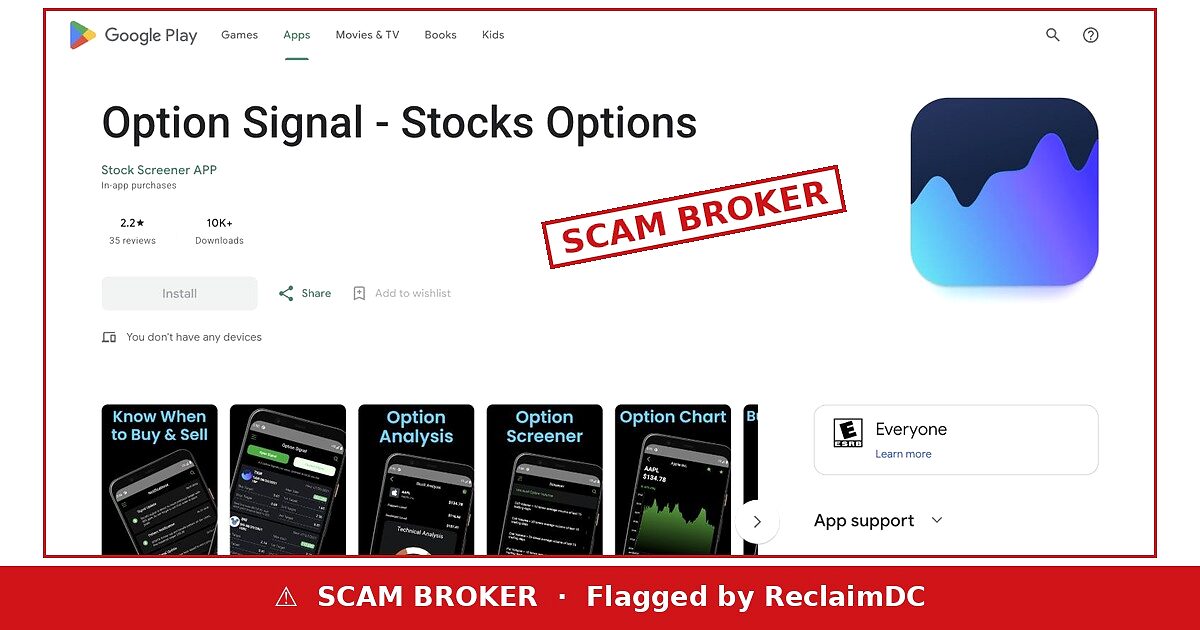

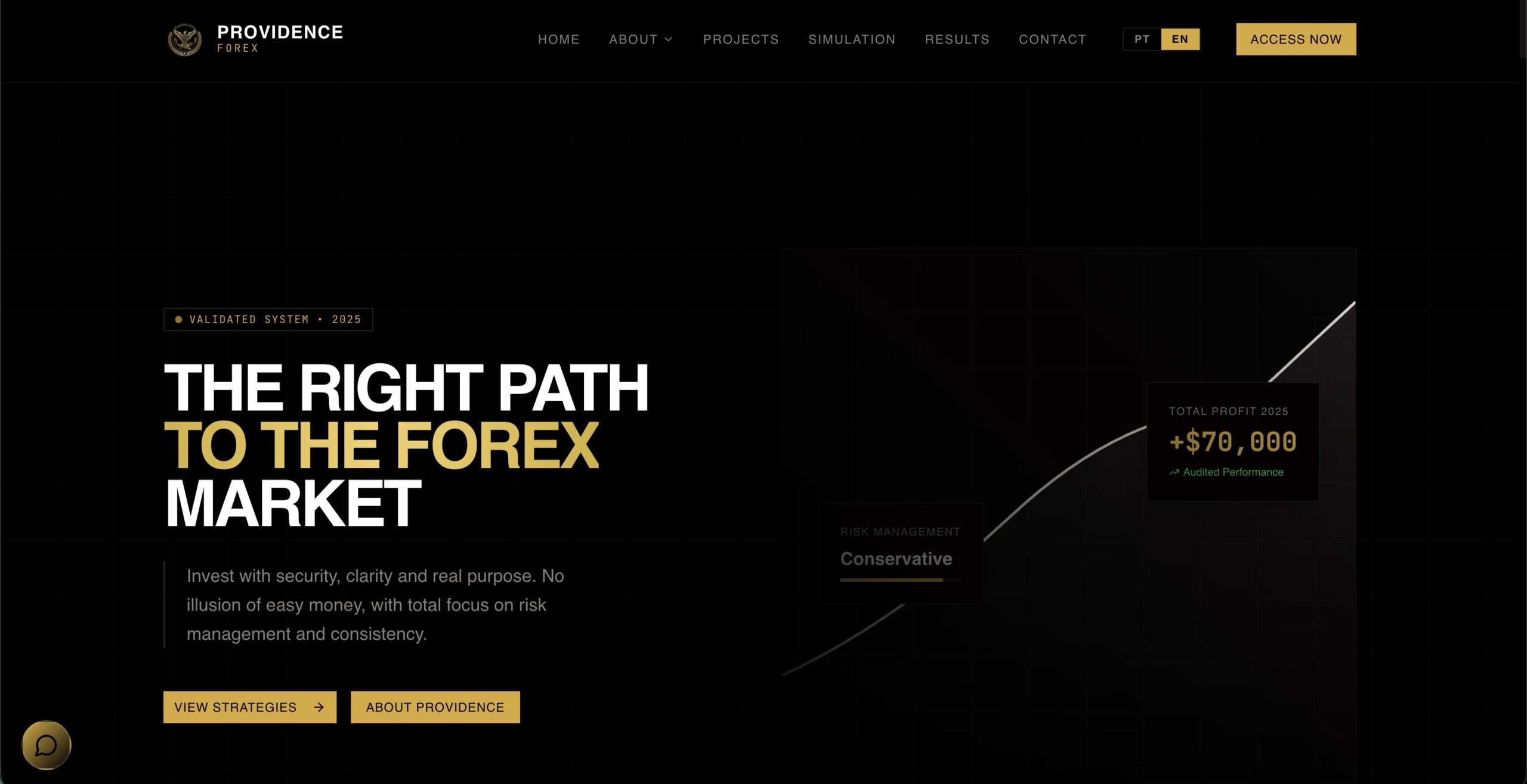
Providenceforex presents itself as a forex trading and investment platform offering access to global markets, automated trading systems, and high-return opportunities. But when you remove the branding layer and evaluate it through regulatory and structural checks, the profile matches a high-risk, unregulated broker pattern repeatedly flagged in scam investigations.
This is not speculation. It is a classification based on transparency failure and documented broker risk analysis.
Regulatory Reality: No Verified License, No Protection
The most critical issue is straightforward:
Providenceforex does not show any verifiable authorization from top-tier financial regulators such as FCA, ASIC, CySEC, or SEC-style oversight bodies.
Independent broker risk analysis identifies it as a scam-classified platform due to missing regulatory disclosures and corporate transparency failures. (FastBull)
Key findings include:
- No confirmed legal entity name disclosed
- No verifiable jurisdiction of incorporation
- No regulator license number that can be checked
- No investor protection framework in place
That combination matters more than any trading feature.
Because without regulation:
- There is no enforcement authority
- There is no dispute resolution channel
- There is no compensation mechanism
- There is no guarantee of fund segregation
You are dealing with a closed internal system, not a regulated financial institution.
Structural Red Flag: Complete Transparency Failure
Legitimate brokers do not hide basic identity data. Providenceforex reportedly fails at the most fundamental level of disclosure:
- No clear company registration details
- No physical office verification
- No named compliance structure
- No identifiable financial custodian
This is not a minor omission. It is a core structural weakness.
In regulated finance, identity is the foundation of accountability. When identity is unclear, responsibility becomes untraceable.
Withdrawal Risk Pattern: The Real Operational Danger
Across similar unregulated broker ecosystems, the failure point is rarely deposits—it is withdrawals.
Common reported patterns in Providenceforex-type platforms include:
- Withdrawal requests stuck in “processing” indefinitely
- Requests for additional verification fees before release
- Sudden account restrictions after profit accumulation
- Support responses becoming repetitive or non-responsive
- “Risk review” triggers only when funds are requested back
This creates a controlled flow:
Deposits → appear smooth
Trading → appears functional
Withdrawals → become conditional or blocked
That imbalance is the defining risk signal.
Fake Profit Illusion: How Accounts Are Manipulated
High-risk forex platforms often simulate trading environments where:
- Profits appear consistent on dashboards
- Trades look active but lack external audit confirmation
- Gains increase to encourage larger deposits
- Account managers push reinvestment cycles
The key question is not whether numbers increase—it is whether those numbers correspond to real market execution verified by independent liquidity providers.
In unregulated environments, there is no obligation to prove that.
Marketing Behavior Pattern: Emotional Pressure System
Platforms like Providenceforex typically rely on behavioral manipulation rather than technical fraud alone.
Common tactics include:
- Promises of “stable monthly returns”
- Claims of “AI-driven accuracy”
- Pressure to deposit quickly to “unlock higher tiers”
- Bonus structures tied to larger deposits
- Personal account managers pushing urgency
This is not investment education. It is structured conversion engineering.
The objective is simple: increase deposit size before skepticism develops.
The Offshore Trap Model
Many similar brokers operate through offshore registration strategies:
- Minimal regulatory jurisdictions used as “legal shields”
- No real enforcement over forex activity
- Weak or non-existent consumer protection laws
This creates a false sense of legitimacy:
“Registered somewhere” is not the same as “regulated properly.”
Without Tier-1 oversight, there is no external authority controlling behavior.
Why Regulation Is Not Optional in Forex
Forex trading is high-risk even under strict regulation. Without regulation, risk multiplies:
- No audit of trade execution
- No oversight of pricing or spreads
- No guarantee of liquidity access
- No legal protection for client funds
This is the difference between regulated risk and uncontrolled exposure.
Providenceforex operates in the second category.
Stress Test Questions (No Excuses Allowed)
Before trusting any platform like Providenceforex, demand clear answers:
- Which regulator can legally sanction this company?
- Can the license be verified on an official government registry?
- Who is legally responsible for my funds?
- What happens if I request full withdrawal immediately?
- Are profits independently audited or self-reported?
If answers are unclear, delayed, or redirected, the system is already compromised.
Final Assessment: Why Providenceforex Is High-Risk
Providenceforex fits multiple high-risk indicators used in scam-risk classification frameworks:
- Classified as scam/high-risk in broker analysis reports (FastBull)
- No verifiable regulatory license
- Missing corporate transparency
- Withdrawal friction pattern risk
- Offshore-style operational structure
- Marketing claims exceeding verifiable proof
These are not isolated issues. They form a consistent operational model seen across failed broker schemes.
Stay-Away Conclusion
The central issue is not whether Providenceforex can display trading activity or simulated profits.
The issue is whether those profits can be legally and reliably extracted under independent oversight.
There is no evidence of that protection here.
When regulation is absent, withdrawals are not a right—they are a permission.
And in every serious financial risk framework, that distinction is decisive:
If your exit is controlled by the platform, your capital is not protected.
Avoid exposure.