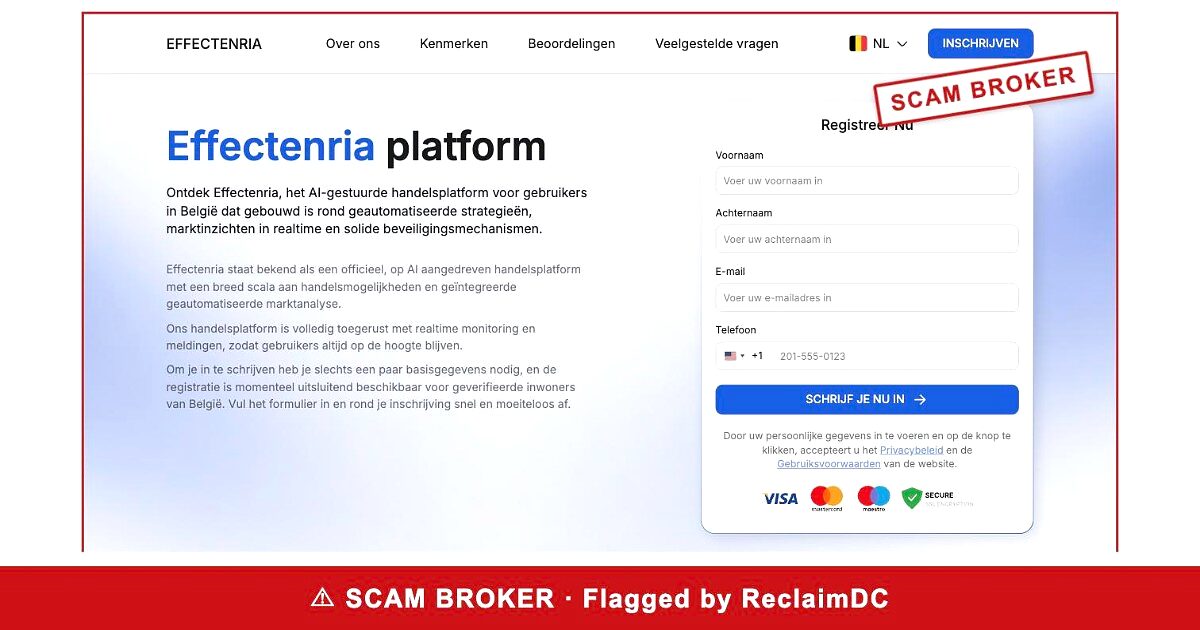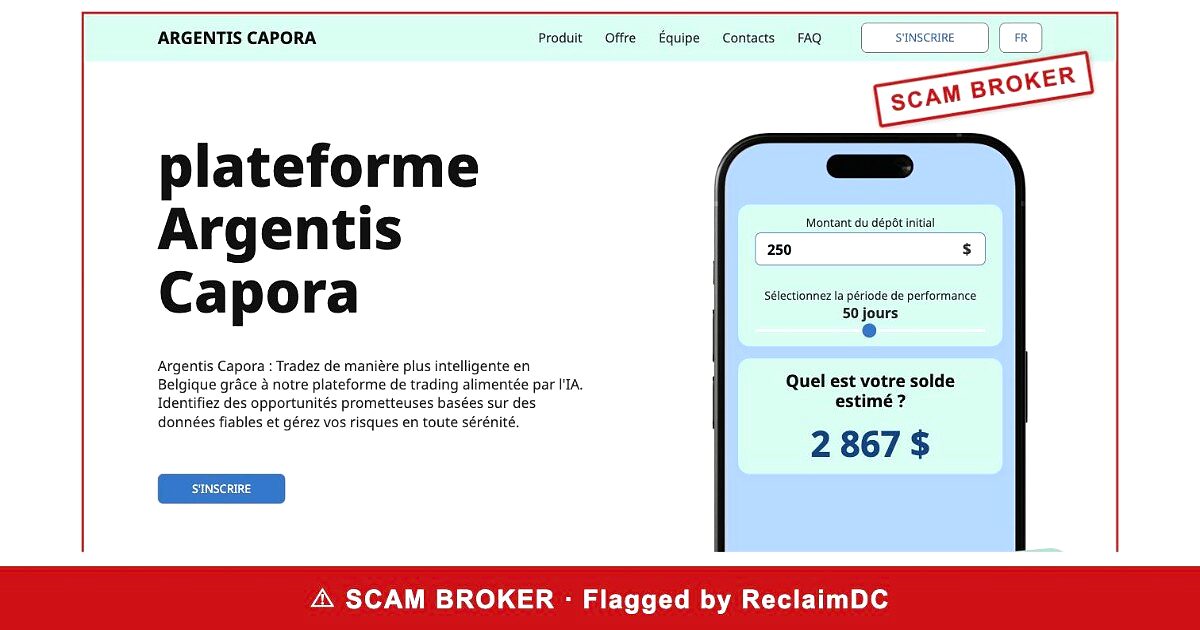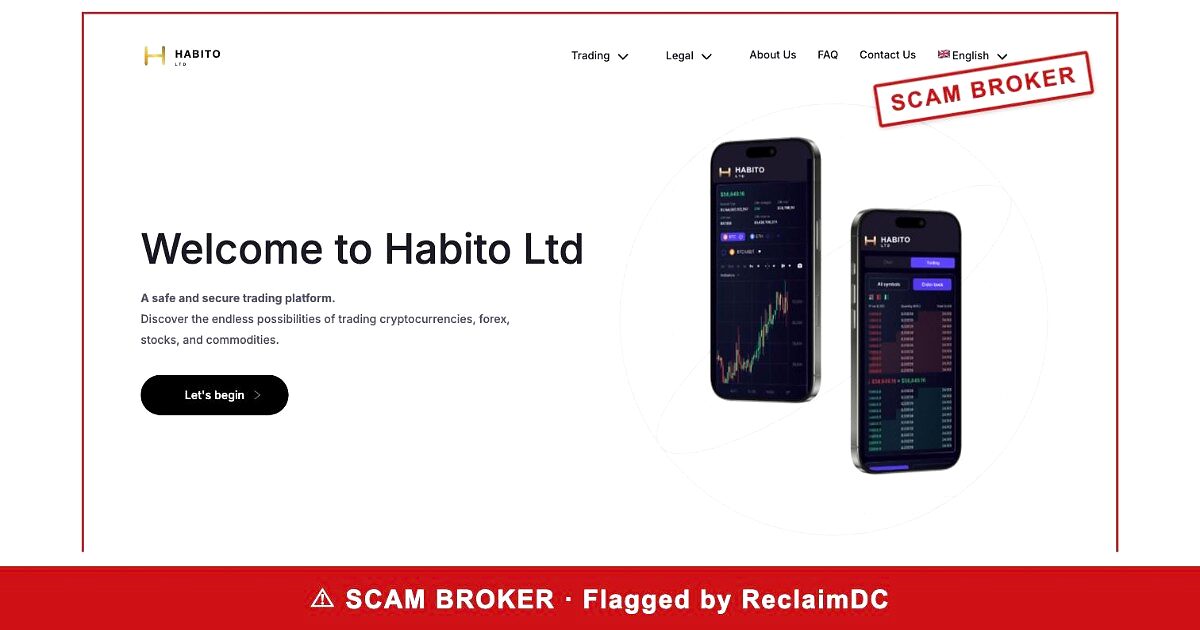

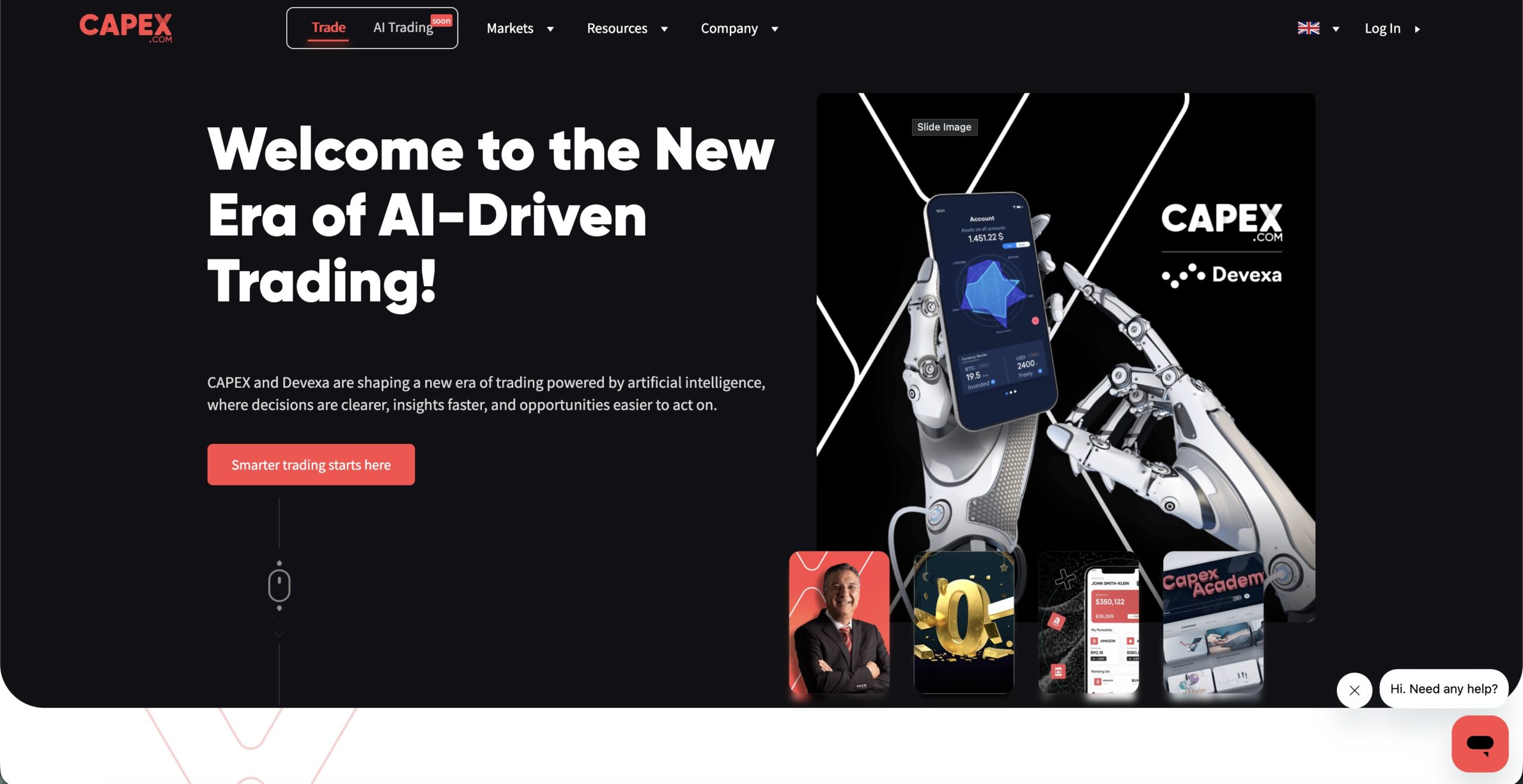
When analyzing https://capex.com, the situation is more complex than typical offshore brokers. Unlike many high-risk platforms, CAPEX presents itself as a regulated multi-asset CFD broker with CySEC oversight, which immediately places it in a different category.
But here is the key mistake most traders make:
They assume “regulated” automatically means “risk-free.”
It does not.
Regulation reduces risk—it does not eliminate structural broker conflict risks like withdrawals, leverage exposure, or aggressive sales behavior.
This report breaks down regulation reality, withdrawal complaints, trust contradictions, and investor risk signals around CAPEX.com.
1. Regulation Status: Legit, But Not Perfect Safety
CAPEX.com operates under Key Way Investments Ltd, with regulatory licenses including:
- CySEC (Cyprus Securities and Exchange Commission)
- FSCA (South Africa)
- ADGM (UAE)
CySEC regulation is considered Tier-1 level within the EU framework, meaning:
- Client fund segregation is required
- Negative balance protection applies for retail clients
- Investor Compensation Fund (ICF) coverage exists up to limits
- Compliance reporting is mandatory
This places CAPEX in the legitimate regulated broker category.
However, here is the critical nuance:
Even regulated brokers can still generate serious user complaints around withdrawal delays, aggressive marketing, and account friction, especially depending on account region and entity structure.
So the real question is not “is it regulated?”
It is:
How does regulation behave under stress conditions like withdrawal or disputes?
2. Withdrawal Complaints: The Real Stress Test
Across multiple independent review platforms, CAPEX shows a mixed withdrawal experience pattern.
Reported issues include:
- Withdrawal delays due to verification (KYC friction)
- Accounts requiring repeated documentation
- Funds held pending compliance checks
- Confusion around bonus terms affecting withdrawals
- Slower processing for certain account types or regions
Some users report smooth withdrawals, while others report long waiting periods and repeated verification requests.
This creates a structural signal:
The system works, but not uniformly under all conditions.
And in trading, inconsistency is itself a risk factor.
Because a broker is not judged by the fastest withdrawal—it is judged by the least predictable withdrawal experience.
3. The “Compliance Delay” Pattern
One of the most important patterns in regulated brokers is not fraud—it is friction:
Typical sequence:
- Account opens normally
- Deposits are smooth
- Trading works without interruption
- Profit accumulates
- Withdrawal request is submitted
- Compliance verification expands
Common explanations:
- AML checks
- Source-of-funds verification
- Identity re-verification
- “Internal review procedures”
Now here is the hard truth:
Even legitimate brokers must apply compliance checks.
But the timing and intensity of these checks matter more than their existence.
If verification intensity increases significantly only when money leaves the platform, users experience it as friction—even if it is technically legal.
4. Trust Ratings vs Reality Gap
Public sentiment around CAPEX is split:
- Some users praise platform usability, tools, and execution
- Others report frustration with withdrawals and verification complexity
- Trustpilot shows a mixed rating environment rather than consensus satisfaction
Independent analyses also highlight contradictions:
- Strong regulatory licensing on one side
- Weak transparency and customer dissatisfaction reports on the other
This creates a key analytical tension:
Regulation is strong on paper
But user experience is inconsistent in practice
That gap is where most confusion happens.
5. Sales Pressure & Behavioral Concerns
One recurring issue reported by users is aggressive sales behavior, especially in certain regions:
- Frequent account manager calls
- Pressure to deposit more capital
- Upselling of trading opportunities
- Marketing emphasizing urgency and market timing
This does not automatically indicate fraud—but it does indicate high-pressure retail acquisition strategy, which often correlates with higher churn and user complaints in brokerage environments.
A regulated broker can still behave aggressively in marketing while remaining compliant legally.
That distinction matters.
6. Offshore Entity Split Risk (Critical Detail)
Even within regulated brokers like CAPEX, there is often:
- A regulated EU entity (CySEC)
- A separate offshore entity for non-EU clients
This matters because:
- EU clients get stronger protections
- Non-EU clients may fall under weaker regulatory frameworks
- Withdrawal rights and dispute resolution may differ by entity
This is one of the most overlooked risk factors in global CFD brokers:
Two users on the same platform may not have the same legal protection.
7. CFD Structural Risk (Not a Scam Factor, but Critical)
CAPEX is primarily a CFD broker, meaning:
- You do not own underlying assets
- You trade price speculation contracts
- Broker is often counterparty to your trade
This introduces inherent conflicts:
- Broker benefits when clients lose in certain models (market maker structures)
- Risk management systems may intervene during volatility
- Execution quality varies under liquidity stress
This is not unique to CAPEX—it is structural to CFD brokerage globally.
But users often misunderstand this completely.
8. Investor Risk Framework (Practical Reality Check)
If you use or evaluate CAPEX, the risk discipline should look like this:
- Do not assume regulation eliminates withdrawal friction
- Test withdrawal early with small amounts
- Avoid bonus structures that affect withdrawal conditions
- Maintain full records of deposits and communications
- Understand which legal entity your account is under
- Treat compliance checks as normal but monitor escalation patterns
- Avoid overleveraging due to broker promotions
This is not pessimism—it is operational awareness.
9. Key Question That Cuts Through Everything
Forget marketing, licenses, or platform features.
Ask only this:
If a dispute happens, who actually has the final authority over my funds?
For CAPEX:
- CySEC provides regulatory oversight (for EU entities)
- FSCA/ADGM provide additional frameworks
- But enforcement still requires process, time, and documentation
So while protection exists, it is not instantaneous or absolute.
Final Verdict: Is CAPEX.com Safe?
CAPEX.com is a legitimate regulated broker, not a scam platform.
But legitimacy does not equal friction-free experience.
The real risk profile is:
- Strong regulatory structure (positive)
- Mixed user withdrawal experience (concern)
- Offshore/regional entity complexity (structural risk)
- CFD model inherent conflict exposure (systemic risk)
So the correct classification is:
Lower scam risk, moderate operational and withdrawal friction risk depending on entity and user region.
Stay Away Conclusion (Ruthless Reality Check)
The biggest mistake traders make is binary thinking:
- “Regulated = safe”
- “Unregulated = scam”
Reality is more uncomfortable:
Even regulated brokers can produce friction, delays, and disputes when money exits the system.
With CAPEX.com, the risk is not outright fraud—it is conditional experience variability under compliance and entity structure differences.
So the real conclusion is simple:
If you cannot tolerate verification delays, entity-based differences, and compliance-driven withdrawal friction, then even regulated brokers can feel unsafe in practice.
And in trading, perception of safety often matters as much as technical legality.