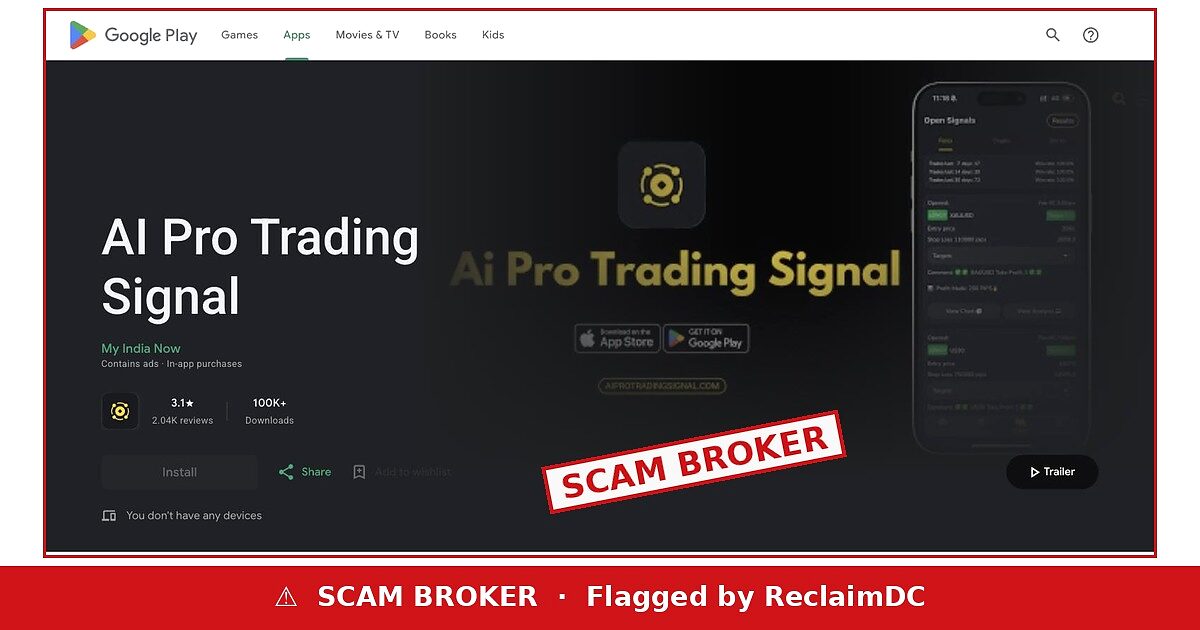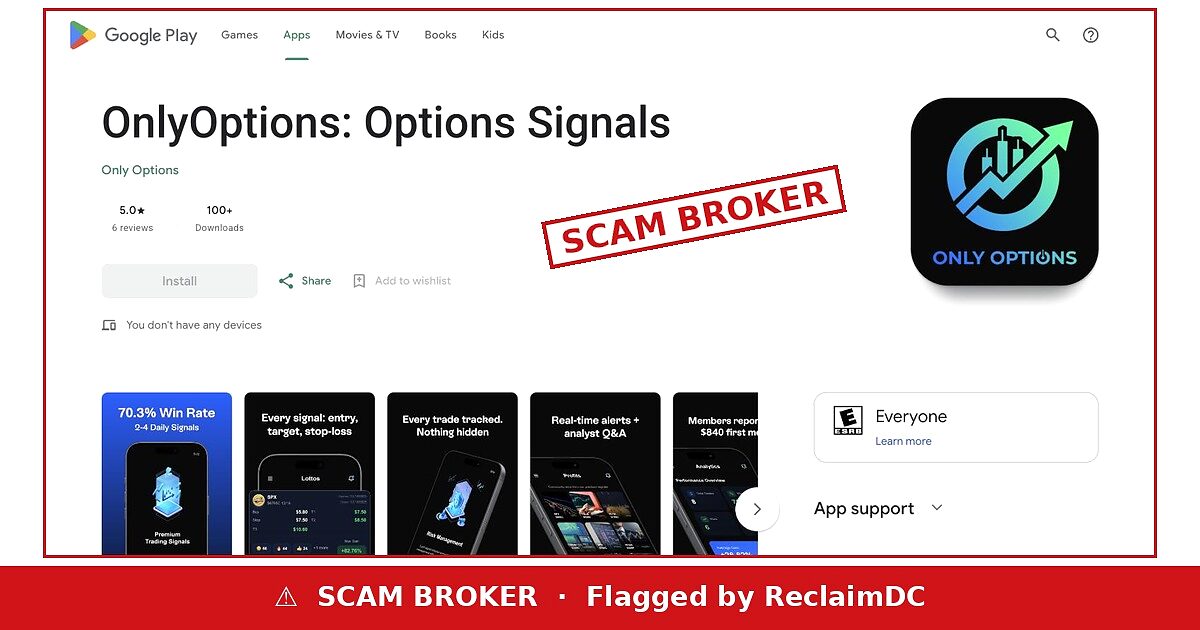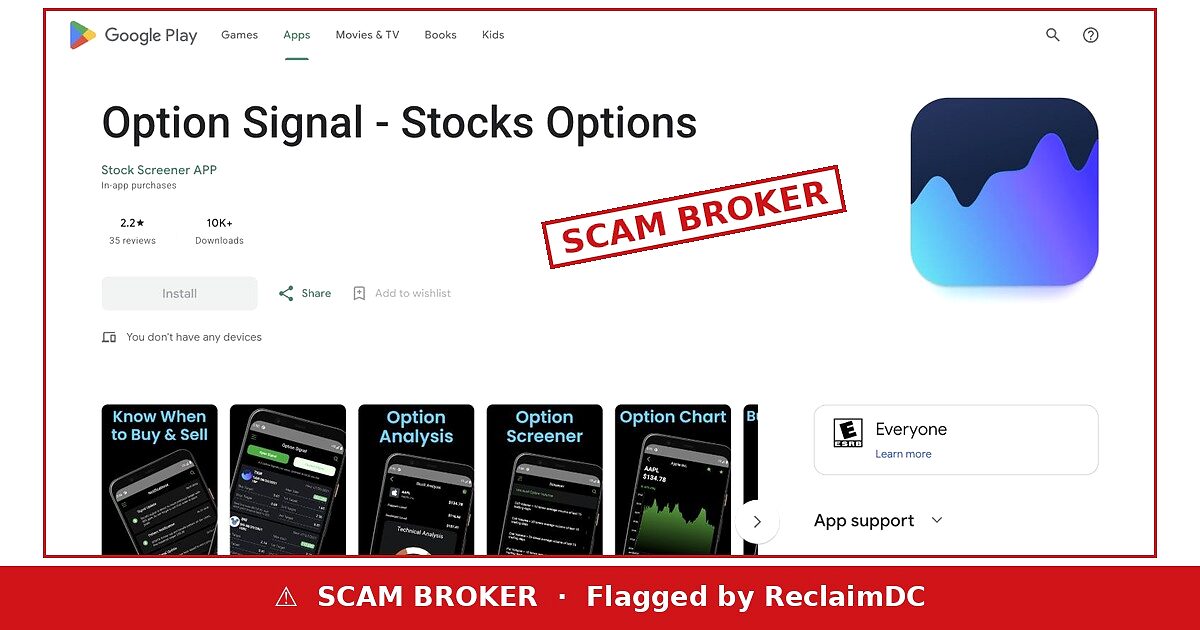

Before you hand your case, your documents or your money to anyone offering to get funds back, it is worth understanding what recovery actually involves, which routes exist, and where the second fraud usually enters. This page covers all three.
Recovery is not one process
People use the phrase as though it describes a single service. In practice there are several separate routes, and which ones are open depends entirely on how the money left you:
- Bank and card disputes. Where fiat was involved, a chargeback or payment recall is the fastest route and the one most bound by deadlines. Raise it immediately.
- Exchange intervention. If funds are still sitting at a compliant exchange, that exchange can sometimes freeze them on a law-enforcement request. This closes within days, not months.
- Regulator complaints. Effective against a licensed firm withholding your money. Of little direct use against an operation that was never authorised anywhere, though the report still feeds public warning lists.
- Police and prosecution. Slow, and occasionally the route by which seized assets are eventually returned.
- Civil action. Realistic only where a named, solvent, reachable party can be identified, and where the sum justifies the cost.
What determines whether anything is possible
Three things, mostly. How the payment was made, since card and bank routes have protections that a crypto transfer does not. How long ago it was, because every deadline that matters is short. And whether the funds have been converted and moved, because once crypto has passed through several wallets and a mixing service, tracing it is a forensic exercise that rarely ends in return of funds.
An honest assessment is worth more than an encouraging one. If someone reviews your case and tells you the money is likely gone, that is a sign they are being straight with you.
Gather the evidence first
Every route above draws on the same pack, so build it before you approach anyone: dates and amounts of every payment, transaction hashes and receiving addresses, the platform’s domain and any company name or registration number it claimed, the complete chat history exported in full, screenshots of the account and any withdrawal attempt, and relevant bank statements. Add a timeline in your own words.
How to check anyone offering to help
Recovery fraud is a large and organised follow-on industry, and it works because it reaches people at their most motivated. Apply the same scrutiny you wish you had applied the first time:
- They approached you. Almost every legitimate relationship starts the other way round.
- They want a fee, retainer or deposit before any work is done.
- They guarantee an outcome. Nobody can guarantee the return of funds already moved on-chain.
- They claim to work with, for, or on behalf of a regulator or police force. Regulators do not recover money for individuals, and they do not partner with private recovery firms.
- Their credentials do not survive a search you run yourself. Check the regulator’s own register directly, never a link you were sent, and confirm the contact details on the register match the ones you were given.
Before you act
Do the free things first and in order: tell your bank, report to the police and the relevant regulator, contact the exchange. These cost nothing, they are time-critical, and they produce the record that every later option relies on. Only then consider whether paid help adds anything — and if it does, choose it on evidence rather than on the confidence of whoever is offering.