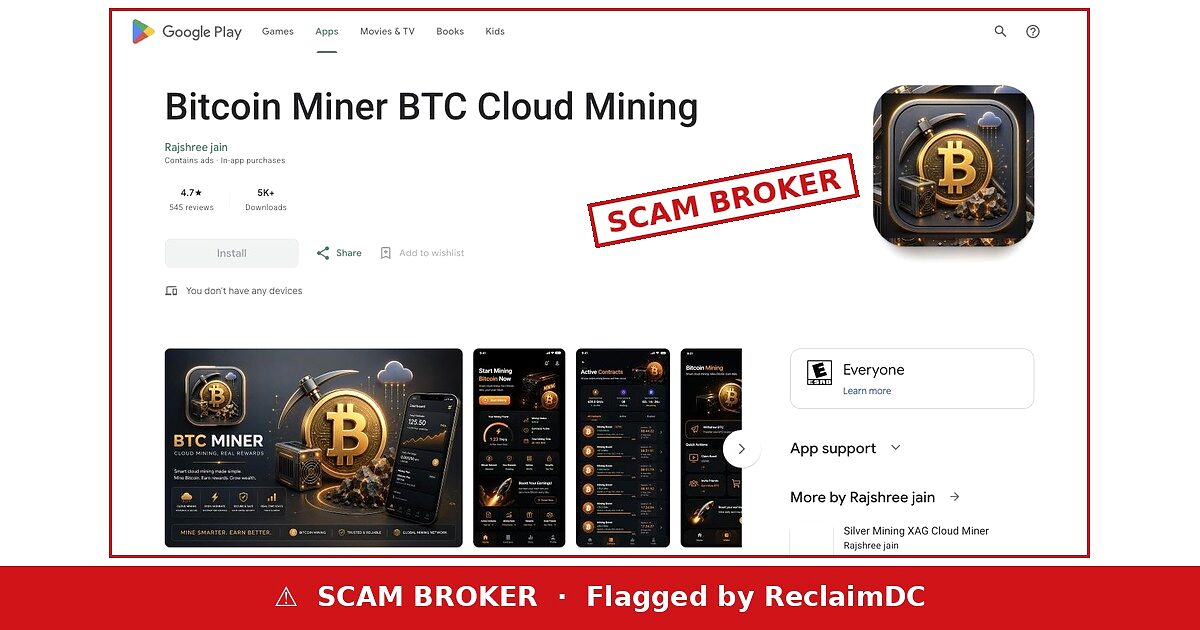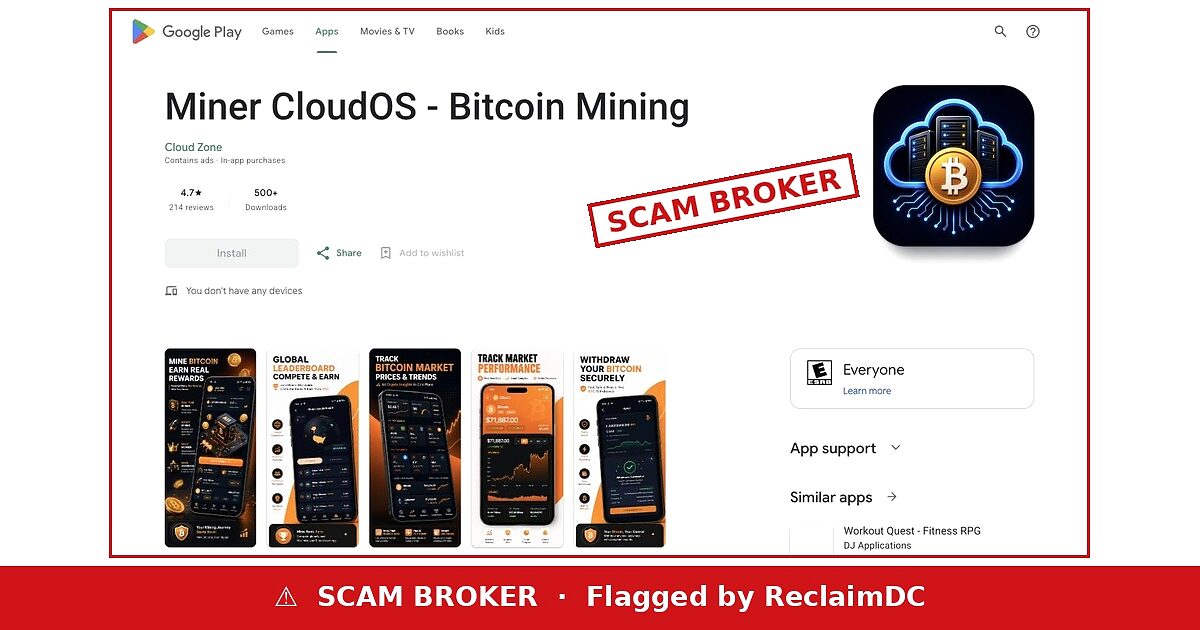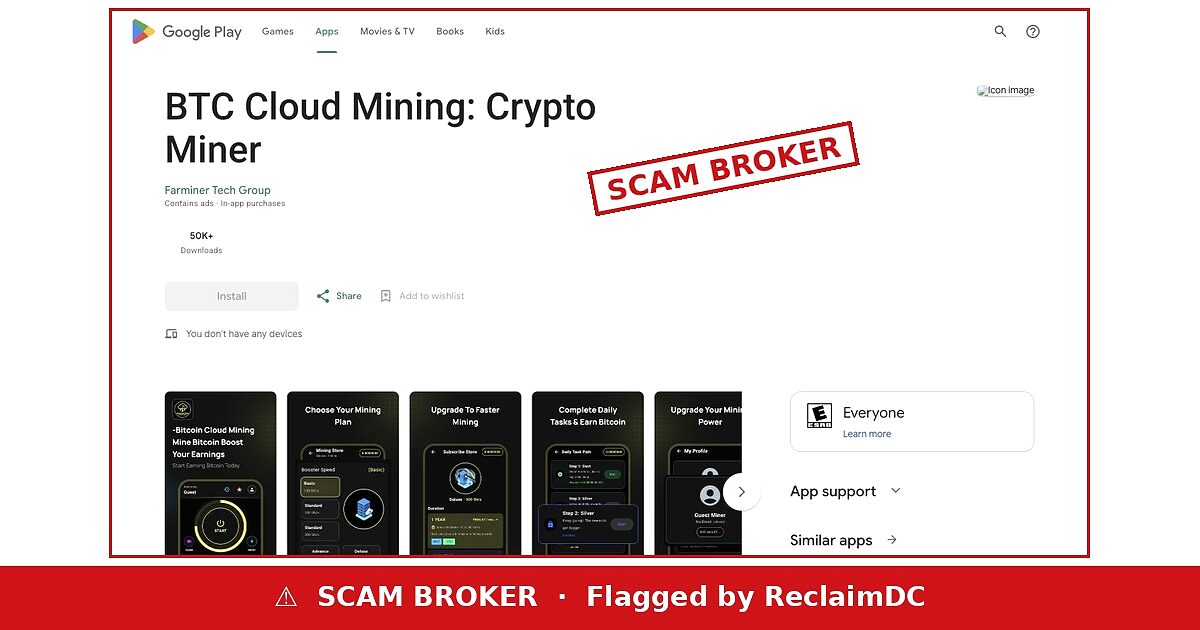


When a platform like https://giraffemarkets.com presents itself as a high-performance trading broker, the real question is not how it looks on the surface—but whether users can reliably withdraw their money under real-world stress conditions.
Because in trading scams, the entry is always smooth. The exit is where truth appears.
This investigation breaks down regulatory gaps, withdrawal complaints, trust signal inconsistencies, and behavioral risk patterns associated with Giraffemarkets.com.
1. Trust Score Reality: Low Despite Marketing
Independent risk scanners consistently flag giraffemarkets.com as high-risk or suspicious:
- ScamAdviser assigns a very low trust score (~0–16 range depending on subdomain analysis) and highlights potential phishing and malware signals (Scam Detector)
- DNS filtering systems have flagged malicious or high-risk associations in recent scans (ScamAdviser)
- Low traffic ranking and weak transparency signals further increase concern
Now here is the critical thinking point:
A low trust score is not proof of fraud—but it is proof of lack of verifiable credibility.
And in financial services, lack of credibility is itself a risk multiplier.
2. Regulatory Problem: No Strong Oversight
Multiple analyses indicate no clear top-tier regulatory oversight (FCA, ASIC, CySEC, etc.) for Giraffemarkets.com, with claims of offshore registration (often cited as Saint Lucia-style structures) (Giraffe Markets Review)
This creates a structural issue:
- No guaranteed investor compensation scheme
- No enforceable dispute resolution authority
- No regulator that can compel fund release
- No transparent audit trail for client funds
Here is the uncomfortable truth:
If a broker is not forced to obey an external regulator, then “policy” becomes optional enforcement.
And optional enforcement always favors the platform, not the client.
3. Withdrawal Complaints: The Core Risk Pattern
Across user reports and broker-analysis summaries, a recurring theme appears:
Deposits are fast. Withdrawals become conditional.
Reported issues include:
- Withdrawal delays with vague explanations
- Account freezes after profit accumulation
- Requests for extra verification after withdrawal attempts
- Claims of sudden “compliance review” or “risk checks”
- Account restrictions following successful trades
One verified user review describes blocked withdrawals and excuses such as “system issues” and “maintenance,” after attempting to withdraw funds (SiteJabber)
Now step back and analyze the pattern:
If withdrawal friction appears only after profit, the system is not neutral—it is reactive.
4. The “Profit Trigger” Risk Mechanism
One of the most important behavioral signals in high-risk brokers is this sequence:
- Account is opened normally
- Deposits are accepted smoothly
- Trading functions appear normal
- Profits begin to accumulate
- Compliance intervention is triggered
- Withdrawal requests face resistance
The explanations usually sound technical:
- “Risk management review”
- “Abnormal trading behavior detected”
- “Bonus violation or policy breach”
- “Liquidity protection rules applied”
Individually, these may sound legitimate.
Collectively, they create a post-profit enforcement pattern.
That is the key distinction professionals look for.
5. Fake Confidence Layer: Reviews and Reputation Conflict
Trustpilot shows a mixed rating profile, including both strong positive testimonials and severe accusations of fraud-like behavior (Trustpilot)
This creates a critical analytical problem:
- Positive reviews are often generic and repetitive
- Negative reviews tend to be detailed and emotionally specific
- Reputation is inconsistent across platforms
In many financial scam structures, this happens because:
- Early users experience smooth onboarding
- Later users face withdrawal resistance
- Reputation systems lag behind operational reality
So the question is not “Is there good feedback?”
The question is:
Which feedback reflects behavior at scale and at withdrawal stage?
6. Recruitment-Style Risk Indicators
Some independent analyses describe concerning behavioral patterns:
- Users being approached through social channels or job-like offers
- Pressure to introduce other investors
- Bonus-based deposit multiplication offers (e.g., unrealistic leverage or bonus promises) (Giraffe Markets Review)
These patterns matter because legitimate brokers do not require:
- Recruiting new users for account activation
- External social pressure to unlock trading benefits
- Unrealistic deposit amplification promises
Whenever financial returns depend on recruitment mechanics, the model shifts away from trading and toward flow-based capital dependency systems.
That is structurally high-risk.’
7. Psychological Trap Structure
The most dangerous part is not technical—it is behavioral manipulation:
- Small initial wins build confidence
- Platform appears stable and responsive
- User increases deposit size
- Emotional attachment to profits increases
- Exit becomes psychologically delayed
- Warning signs are reinterpreted as temporary friction
This is where most losses occur—not through hacks, but through delayed withdrawal awareness.
Once funds are inside and partially profitable, decision-making becomes emotionally biased.
8. Investor Protection Framework (Non-Negotiable)
If anyone still interacts with high-risk brokers like giraffemarkets.com, strict discipline is required:
- Treat every deposit as partially at risk until fully withdrawn
- Test withdrawal early before scaling investment
- Never reinvest unrealized profits inside the platform
- Maintain full transaction logs and communication records
- Avoid bonus systems tied to withdrawal restrictions
- Exit immediately after first unexplained delay
- Assume internal “compliance reviews” are not neutral processes
This is not caution—it is operational survival strategy.
9. The Only Question That Matters
Forget marketing. Forget promises. Forget ratings.
Ask this:
If I request a large withdrawal today, who can force it to be honored?
If the answer is:
- The platform itself
- Offshore or unclear regulators
- Internal compliance teams
Then there is no external enforcement power.
And without enforcement power, “your funds” are only accessible when the platform agrees.
Final Verdict: Is Giraffemarkets.com Safe?
Based on combined evidence—low trust scores, weak regulatory transparency, withdrawal complaint patterns, and behavioral risk signals—giraffemarkets.com falls into a high-risk category of offshore-style trading platforms.
This does not require proving every negative claim.
Risk is already established when:
- oversight is unclear
- withdrawal behavior is inconsistent
- enforcement is internal only
Even if some users report normal trading, that does not eliminate structural vulnerability.
Because safety in finance is not defined by access.
It is defined by exit reliability.
Stay Away Conclusion
The most dangerous illusion in online trading is believing that platform functionality equals financial safety.
In reality:
- Entry systems are designed to feel smooth
- Profit systems are used to build trust
- Exit systems reveal true control
With giraffemarkets.com, the combination of weak regulatory clarity, withdrawal friction reports, and structural offshore characteristics places it in a category where capital protection cannot be guaranteed.
The rational conclusion is simple:
If you cannot enforce withdrawal externally, you do not truly control your funds.
And in that situation, the risk is not volatility—it is dependency on permission.