
Online trading platforms continue to expand aggressively, but so does the number of unregulated brokers operating in gray or outright deceptive conditions. One platform that repeatedly appears in risk discussions is Lftrade.
Across multiple independent reviews and user reports, Lftrade is associated with serious concerns around regulation, withdrawals, and misleading operational claims. This article breaks down those risks so investors can evaluate the platform with clear, evidence-based caution rather than marketing claims.
What Lftrade Claims to Be
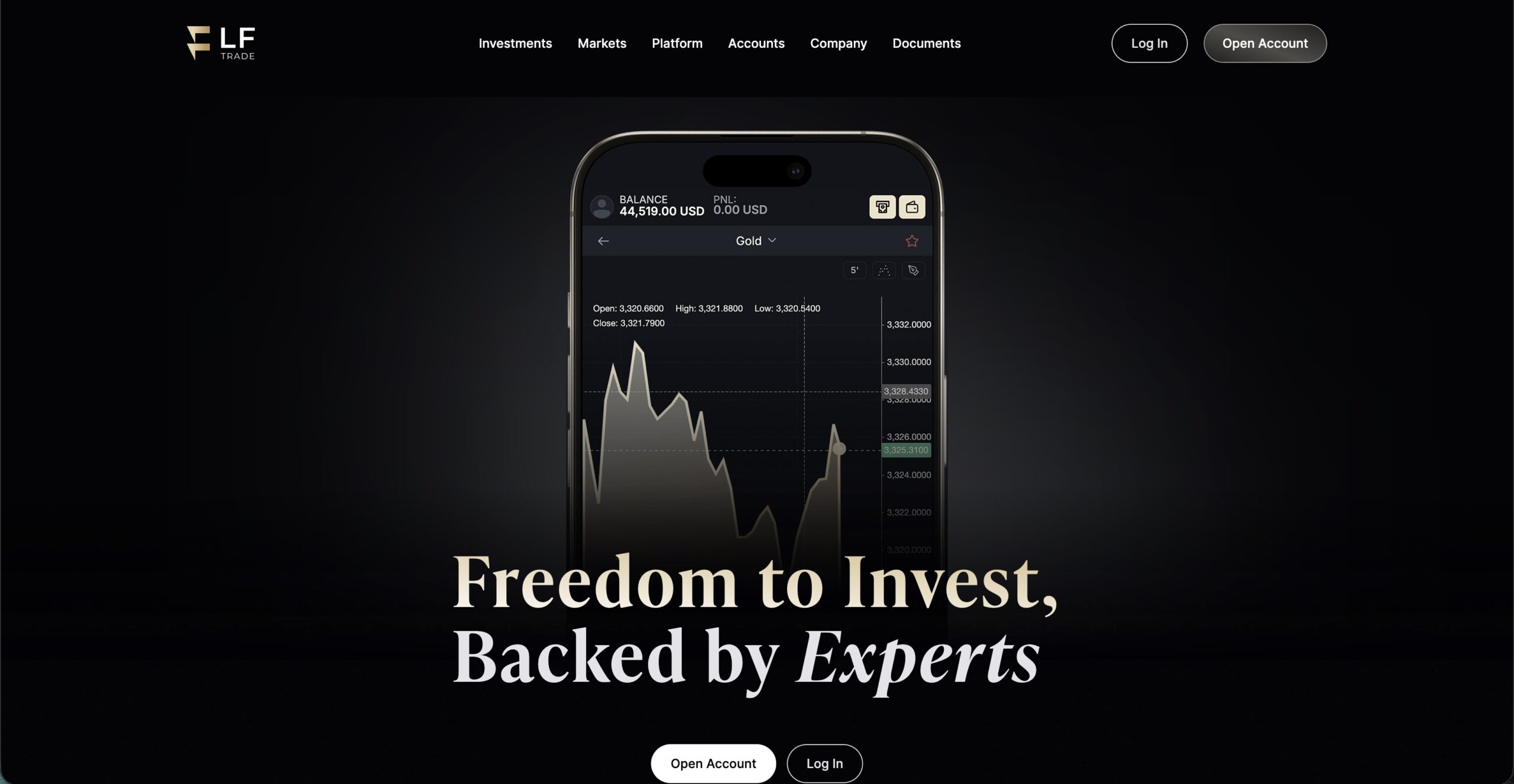
Lftrade presents itself as an online trading broker offering exposure to:
- Forex markets
- Cryptocurrencies
- Commodities
- CFDs
- Investment accounts with tiered plans
Some descriptions of the platform also suggest Swiss origins and professional brokerage infrastructure, often paired with promises of structured account plans and high-return trading opportunities.
However, these claims become questionable when compared with regulatory databases and user outcomes.
Regulation Problem: No Verified Oversight
A critical issue with Lftrade is the absence of recognized financial regulation.
Independent broker assessments indicate:
- No listing under major regulators such as FCA, CySEC, or FINMA
- Claims of Swiss operations that do not match verifiable company registration records
- Lack of enforceable investor protection mechanisms
One detailed review explicitly states that the platform presents no evidence of legitimate licensing and may not exist as a properly registered Swiss financial entity.
Even more concerning, regulatory watchdog warnings and aggregated risk reports classify Lftrade as operating without proper authorization, with some sources explicitly flagging it as a scam-level risk entity.
No regulation means one thing in practice: no guaranteed path to recover funds if something goes wrong.
The Core Pattern: Withdrawal Failure
Across user reports and review platforms, one issue appears repeatedly: withdrawal obstruction.
Common complaints include:
1. Withdrawals blocked or delayed indefinitely
Users report being unable to access funds after deposits and trading activity.
2. Sudden “fees” before release of funds
Investors are allegedly told to pay:
- Tax clearance fees
- Account verification charges
- Insurance or compliance deposits
- “Unlock” payments
These requests typically appear only after withdrawal attempts begin.
3. Account restriction after profit attempts
Some users report accounts being limited or frozen once they attempt to withdraw gains.
One Trustpilot-style user report describes severe financial loss and blocked access after attempting a withdrawal, claiming full account restriction after funds were requested.
Whether each case is individually provable or not, the pattern itself is what matters: friction appears at the exact point where money should leave the platform.
Marketing Pattern: High Control, Low Transparency
Lftrade fits a structure commonly seen in high-risk brokers:
- Heavy emphasis on account “plans” with escalating deposits
- Promises of improved returns with higher tiers
- Limited clarity on spreads, liquidity sources, or execution model
- Strong focus on account managers instead of self-directed trading
This structure creates dependency on internal representatives rather than transparent market access.
A major warning sign is when a platform’s real function depends more on sales agents than verifiable financial infrastructure.
Fake Legitimacy Signals
Suspicious platforms often borrow credibility signals:
- Claiming European presence without registry proof
- Using professional-sounding trading language without audit data
- Referencing “Swiss standards” without FINMA confirmation
- Displaying generic legal pages without enforceable oversight
Independent reviews note that even when Lftrade claims Swiss origins, there is no supporting regulatory footprint in Swiss financial registers.
That mismatch between claim and verification is not a detail—it’s the entire risk signal.
Behavioral Red Flags Investors Report
Across multiple complaint sources and broker analysis sites, recurring behavioral patterns include:
- Pressure to deposit more after initial investment
- Encouragement to upgrade account tiers repeatedly
- Delayed communication once withdrawal is requested
- Requests for additional payments unrelated to trading
- Support responsiveness dropping when money is requested out
Individually, these might look like friction. Together, they form a structured withdrawal barrier system.
The Real Risk Model Behind Platforms Like This
The underlying issue is not just “bad service.”
It is structural:
- If regulation is missing → no external enforcement
- If withdrawals are controlled internally → no independent validation
- If fees are invented at withdrawal stage → exit becomes conditional
- If communication is sales-driven → incentive is deposits, not payouts
This is why experienced analysts treat withdrawal behavior as the only meaningful stress test of a broker.
Investor Protection Rules (Non-Negotiable)
Before interacting with any platform like Lftrade, the minimum safety checks are:
- Verify license directly on regulator website (not broker claims)
- Test withdrawal with small amount before scaling capital
- Avoid platforms requiring “fees” to release your own funds
- Never trust guaranteed returns or tier-based profit promises
- Avoid brokers that rely heavily on account managers for decisions
If any one of these fails, exposure risk increases significantly.
Final Verdict: High-Risk, Avoid Engagement
Lftrade shows a consistent cluster of high-risk indicators:
- No verifiable regulatory authorization
- Repeated withdrawal complaints across sources
- Claims of legitimacy not supported by financial registries
- Structural dependence on deposits and account upgrades
- Reports of account restrictions during withdrawal attempts
Even without assuming intent, the operational pattern is unstable from a user-protection standpoint.
The core issue is simple: if money goes in easily but does not come out cleanly, the model is not investor-friendly regardless of branding.
Bottom line
Until Lftrade can demonstrate verifiable regulation, transparent ownership, and consistent third-party-confirmed withdrawals, the rational stance is not caution—it is avoidance.