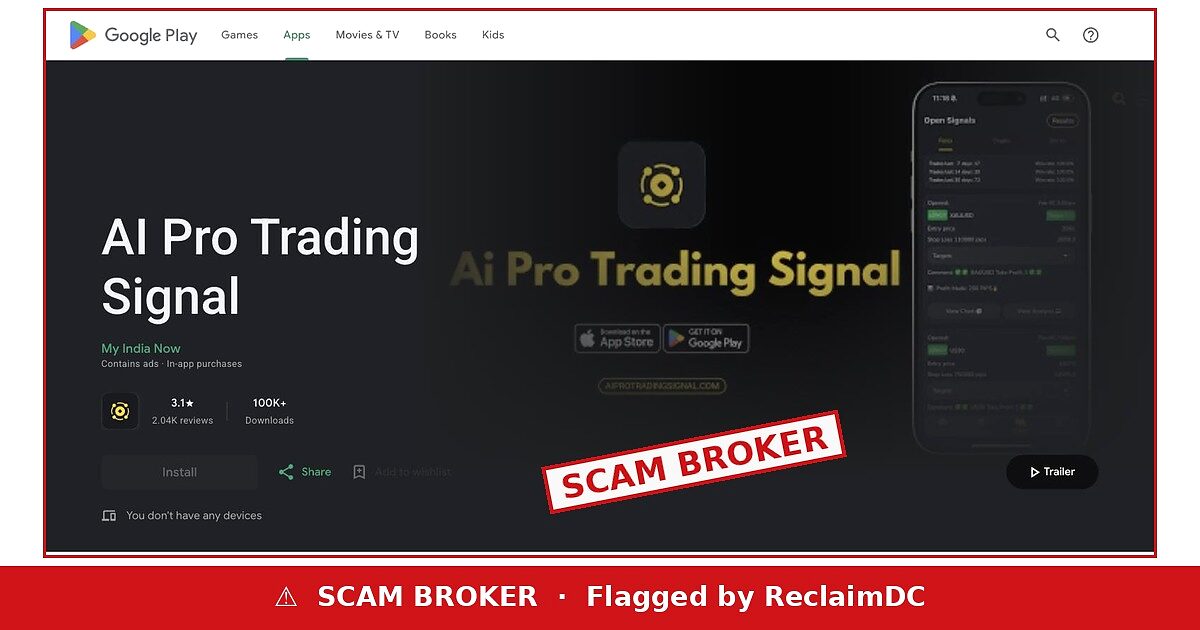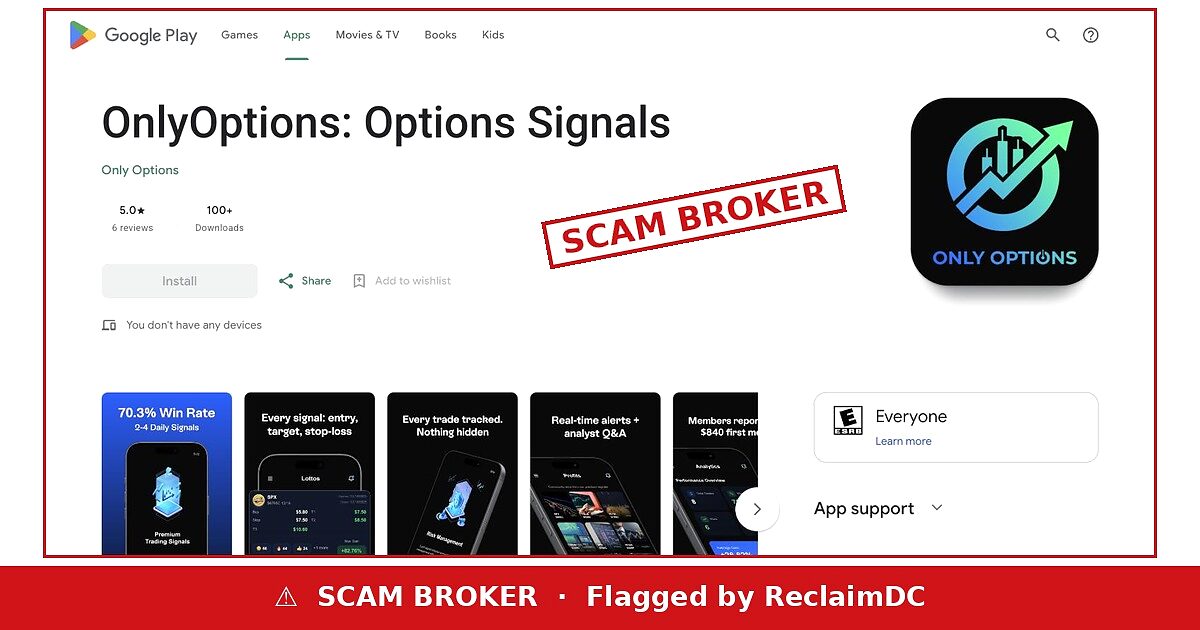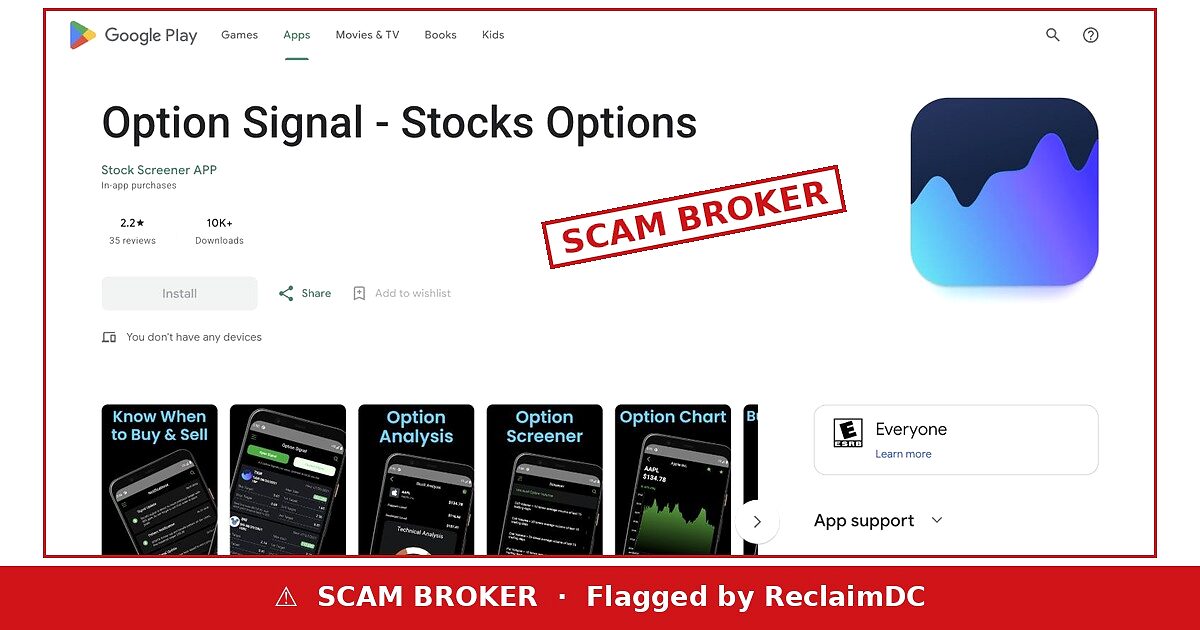


Online trading scams rarely announce themselves as scams. They usually arrive dressed as “professional brokers,” “wealth platforms,” or “institutional trading hubs.” Swisscapitalhub fits into a category that regulators across Europe have repeatedly warned about: unlicensed investment platforms operating with boiler-room style marketing.
This article breaks down the verified risks surrounding Swisscapitalhub, focusing on regulation, withdrawal behavior, investor complaints, and structural red flags that matter more than marketing claims.
What Swisscapitalhub Claims to Be
Swisscapitalhub presents itself as a trading and investment platform offering access to:
- Forex trading
- Cryptocurrency markets
- CFDs and derivatives
- Managed investment accounts
- High-return trading strategies
The branding suggests legitimacy through professional naming and references to “capital management” style services. However, legitimacy is not determined by branding—it is determined by regulatory authorization and fund safety mechanisms.
Regulatory Status: Major Red Flag
Multiple independent sources and consumer protection warnings indicate that Swisscapitalhub is not authorized by any major financial regulator.
Key findings from regulator-linked reports include:
- The Dutch Authority for the Financial Markets (AFM) has issued warnings identifying Swiss Capital Hub as a suspected boiler-room operation
- The entity is not licensed to provide financial services in the Netherlands or the EU
- It appears to operate without any valid European financial passport
- No verified authorization exists under FCA (UK), FINMA (Switzerland), or equivalent regulators
A “boiler room” designation is not casual language—it refers to high-pressure investment fraud tactics involving unsolicited contact and fabricated investment opportunities.
Why This Regulatory Gap Matters
If a broker is properly regulated, it must comply with:
- Segregation of client funds
- External audits and capital requirements
- Withdrawal processing rules
- Dispute resolution frameworks
- Investor compensation schemes (in many jurisdictions)
Swisscapitalhub does not demonstrate access to these protections. That creates a simple reality:
If funds are lost or blocked, there is no reliable recovery mechanism through regulators.
Domain and Operational Risk Signals
Investigations into Swisscapitalhub’s structure highlight typical high-risk characteristics:
- Very recent domain registration (newly created operational footprint)
- Offshore-style corporate claims (Marshall Islands-style registration patterns seen in similar cases)
- Inconsistent company history narratives (claims of legitimacy vs. lack of registry evidence)
- No verifiable audit trail of trading execution or liquidity providers
This mismatch between claimed institutional credibility and verifiable records is a core warning signal in investment fraud analysis.
User Complaints: Withdrawal Blocking Pattern
User feedback across review platforms shows a repeating pattern rather than isolated incidents.
Common complaints include:
1. Withdrawal requests not processed
Users report funds remaining pending indefinitely after attempting withdrawal.
2. Customer support breakdown after withdrawal requests
Communication often slows or stops once money is requested back.
3. Pressure-based explanations
Support responses reportedly shift to explanations like:
- Market volatility restrictions
- Compliance review delays
- Account verification issues
4. Negative trust feedback
Independent review platforms show low trust scores and mixed-to-negative user experiences, including claims of funds being “locked” or “lost.”
Even if not every review is provable individually, the structural consistency of complaints is what matters.
The Core Scam Pattern (If You Strip Branding Away)
When analyzed objectively, the operational pattern matches a known high-risk model:
- Attract deposits via trading promises
- Show account growth on internal dashboards
- Encourage larger deposits or upgrades
- Introduce withdrawal friction (fees, delays, verification)
- Block or stall withdrawals under procedural excuses
This is not unique to Swisscapitalhub—it is a documented pattern across unregulated broker scams globally.
Marketing vs Reality Gap
Platforms like this often rely on:
- “Professional trading environment” language
- Claims of advanced liquidity access
- Artificial urgency in account upgrades
- Promises of high returns with controlled risk
But none of these replace the only real test:
Can users consistently withdraw funds without conditions?
In Swisscapitalhub’s case, the answer from public reporting is not reassuring.
Investor Protection Reality Check
If you engage with platforms in this category, these rules are non-negotiable:
- Verify license directly on regulator websites (not screenshots)
- Assume offshore registration ≠ investor protection
- Test withdrawal early with small amounts (if at all)
- Treat any “fee to release funds” as a critical red flag
- Avoid escalating deposits under pressure
A regulated broker does not require persuasion to return your own money.
Final Verdict: High-Risk Entity, Avoid Engagement
Swisscapitalhub shows multiple overlapping risk indicators:
- No verifiable financial regulation under recognized authorities
- Official regulatory warnings labeling it a suspected boiler-room operation
- Withdrawal complaint patterns consistent with blocked-access behavior
- Offshore-style corporate opacity and unclear operational structure
The key issue is not complexity—it is control. Investors appear to have limited control once funds are deposited, especially at the withdrawal stage.
Bottom line
Until Swisscapitalhub can prove verified regulatory authorization, transparent corporate structure, and consistent unrestricted withdrawals under independent oversight, the rational decision is simple: do not engage, do not deposit, do not test with real capital.
Online t