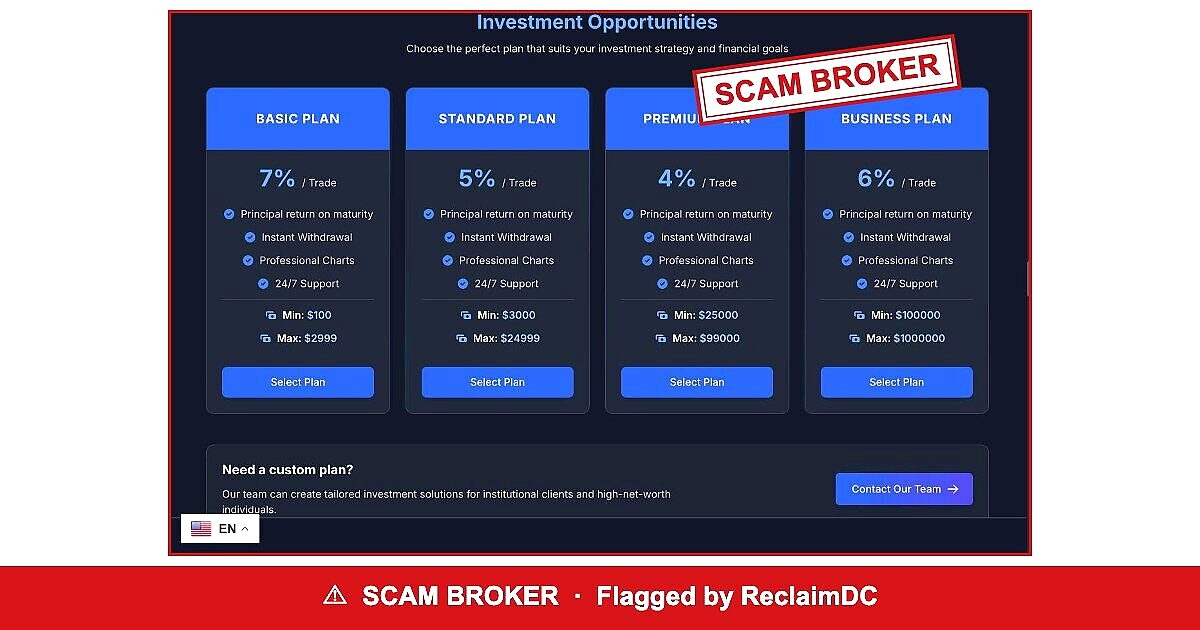

Verdict up front: PFGForex was not an offshore brand with a fake licence. It was a US-registered, regulated, audited futures brokerage — and its founder stole more than $215 million from over 13,000 customers across roughly twenty years, using forged bank statements and a post office box to beat the auditors. He is serving 50 years. If you think a licence is what keeps your money safe, this case ends that belief.
Verified evidence (checked 8 September 2026)
- The sentence. The US Department of Justice records that Russell R. Wasendorf, Sr., then 64, of Cedar Falls, Iowa, founder and CEO of Peregrine Financial Group — the firm behind PFGForex — was sentenced on 31 January 2013 to 50 years in federal prison, the maximum permitted by law, with three years of supervised release.
- The charges and the money. He pleaded to four counts including mail fraud, embezzlement of customer funds and making false statements to regulators. The court ordered restitution of $215,530,041.39 and a $100 million forfeiture judgment. More than 13,000 victims are recorded.
- It ran for about two decades. The DOJ places the fraud from the early 1990s until the firm’s collapse in July 2012 — the whole period during which the brokerage was registered, examined and filing reports.
- How the audits were beaten. Wasendorf withdrew money secretly from a customer segregated bank account and then omitted the withdrawals from, and inflated the balances on, forged bank statements — overstating customer balances by more than $200 million. To stop anyone checking with the bank, he set up a post office box to intercept regulator correspondence intended for U.S. Bank and listed that box on the forged statements, so confirmations came back to him. False reports went to both the National Futures Association and the CFTC.
- The name is still on the scam list and the domain still paid for. The Forex Peace Army carries PFGForex.com on its published scam listing; pfgforex.com was registered 12 November 2001 and is renewed into November 2026. Sources: US Department of Justice and FBI press releases on the sentencing of Russell R. Wasendorf Sr.; Forex Peace Army scam listing; Verisign .com registry record — all read 8 September 2026.
| Related Investigation This one is settled law, not allegation: a guilty plea, a 50-year sentence and a restitution figure to the cent. |
Investors, Take Note Regulation is a floor, not a guarantee. What failed here was the verification of where the cash actually sat. |
Read This Before You Invest Ask which bank holds client money and whether balances are confirmed by the bank directly. That is the question that broke this case open. |
What was PFGForex?
The retail forex arm of Peregrine Financial Group, an Iowa-based futures commission merchant founded by Russell Wasendorf Sr. It was a National Futures Association member, filed regulatory reports, and looked like exactly what it claimed to be for twenty years. The firm collapsed in July 2012.
The forgery was low-tech, and that is the lesson
No exotic instrument, no offshore maze. A bank account, a printer and a post office box. Regulators and auditors did the sensible thing — asked the bank to confirm the balance — and the request went to a mailbox Wasendorf controlled, from which a forged confirmation came back on the right letterhead.
Everything else people rely on was present and working: registration, membership, audits, filings. All of it sat on one unverified fact. When the account was finally confirmed independently, the money was not there and had not been for years.
Every broker fraud since is a variation on the theme. The number on your screen is a claim. It becomes a fact only when a third party who does not work for the broker confirms it.
What we are not saying
We are not suggesting today’s regulated brokers are equivalent to this one, or that oversight is worthless — oversight and a criminal court are what produced the sentence and the restitution order. Nor are we claiming any current activity at pfgforex.com: it remains registered, and we examined no site served from it.
Check it for yourself
Nothing above depends on trusting us. Search the name on Google, ask ChatGPT, and run the register checks named in the evidence box. A regulator warning takes about a minute to confirm on the regulator’s own website, and that minute is the cheapest due diligence available to any investor.
For this case specifically: search justice.gov for the sentencing of Russell R. Wasendorf Sr. and read the restitution figure. Then apply the lesson to your own broker — ask in writing which regulated bank holds segregated client funds, and whether that bank will confirm it to you directly.
If you have already deposited
Act on paper, not on hope. Save every screenshot, chat log, email, payment reference and wallet address before the platform can close your account — once access goes, so does your evidence. Report the loss to your national financial regulator and to your police force’s fraud unit. Tell your bank or card issuer immediately; where funds moved by card or transfer within recent weeks, a recall or chargeback is sometimes still possible. If you paid in cryptocurrency, the transaction cannot be reversed, but the receiving address is permanent evidence and exchanges can sometimes freeze onward movement.
Then brace for the second approach. Victims of investment fraud are frequently contacted again by people offering to recover the money for an upfront fee, sometimes posing as lawyers, regulators or the platform’s own compliance department. That is a second fraud aimed at the same victim. No legitimate recovery service, and no regulator anywhere, asks for a payment before returning your funds.
The bottom line
A licensed, audited, twenty-year-old American brokerage lost more than $215 million of customer money because one man forged the bank statements and controlled the mailbox the auditors wrote to. Ask your broker where the client money is held and who confirms the balance. If the only answer available comes from the broker itself, you are relying on the same assurance PFG’s 13,000 customers relied on.
Reviewed by Jenny Loral, Licensed Fraud Investigation Agent, Investor Protection Unit — Pinkerton. Corrections: support@reclaimdc.com.