
The decentralized finance (DeFi) industry has created new opportunities for cryptocurrency investors through staking, liquidity mining, and yield farming. Unfortunately, the rapid growth of DeFi has also triggered an explosion of sophisticated scams targeting unsuspecting crypto users worldwide. One platform now attracting major concern across scam-monitoring communities and investor-alert systems is USDCFarm.com.
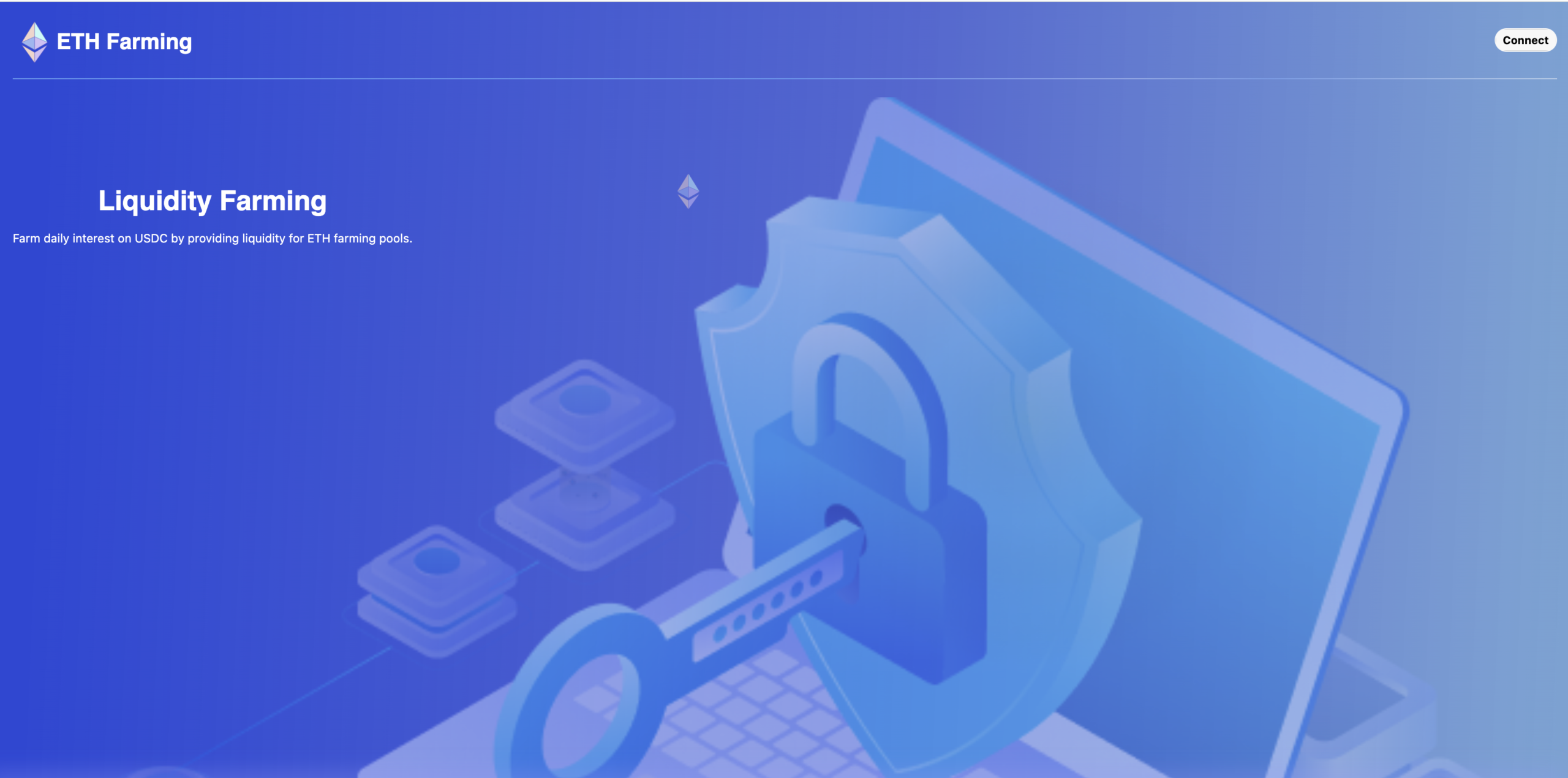
USDCFarm.com presents itself as a cryptocurrency “yield farming” platform connected to passive income opportunities involving USDC stablecoins and DeFi liquidity pools. Like many modern crypto-investment websites, the platform appears polished and technologically advanced on the surface. However, deeper investigation reveals multiple alarming warning signs involving investor alerts, scam allegations, cybersecurity concerns, and patterns strongly associated with crypto liquidity-mining fraud.
The growing number of warnings connected to USDCFarm.com strongly suggests investors should proceed with extreme caution or avoid the platform entirely.
ASIC Investor Alerts Connected USDCFarm.com to “ETH Farming”
One of the strongest warning signs surrounding USDCFarm.com is its appearance within international investor-alert systems.
The International Organization of Securities Commissions (IOSCO) listed “ETH Farming (usdcfarm.com)” under Australia’s ASIC investor alerts network. (iosco.org)
Investor alert databases exist specifically to warn consumers about suspicious financial platforms and potentially fraudulent investment operations.
Regulators worldwide continue warning that fake crypto “yield farming” and liquidity-mining schemes are increasingly targeting retail investors through social media, messaging apps, and online advertisements.
Official investor alerts are one of the strongest possible warning signs for any crypto-investment platform.
Victims Reported Fake Profits and Disappearing Funds
Online discussions connected to USDCFarm-style operations reveal patterns commonly associated with crypto liquidity-mining scams.
A Reddit discussion involving fake ETH farming platforms described how scammers used social-media relationships and messaging apps to convince victims to connect crypto wallets to fake liquidity pools. Victims reported that the scams initially appeared legitimate before funds suddenly disappeared. (reddit.com)
One user explained:
“It all works as they say till they determine that you have no more funds.”
(reddit.com)
Another victim claimed scammers used fake mining-pool smart contracts capable of draining USDT from connected wallets. (reddit.com)
These tactics closely match patterns repeatedly seen in crypto liquidity-mining scams.
Trustpilot Reviews Contain Serious Scam Allegations
Public review platforms have also published negative experiences connected to similar “USD Farm” operations.
Trustpilot reviewers described alleged fraud involving disappearing balances, fake payouts, and accounts being reset unexpectedly. Several reviewers openly labeled the platform a scam. (trustpilot.com)
One reviewer claimed:
“This website is not trustworthy and you will see nothing but fraud.”
(trustpilot.com)
Another user alleged the site initially paid small amounts before eventually stopping withdrawals entirely. (trustpilot.com)
Although online reviews alone do not automatically prove fraud, repeated allegations involving missing funds and blocked withdrawals are major warning signs investors should not ignore.
Fake Yield Farming Scams Are Exploding Across DeFi
Cybersecurity researchers and financial investigators continue warning that fake yield-farming websites have become one of the fastest-growing scam categories within decentralized finance.
According to PCrisk, fake ETH farming websites often lure victims into connecting crypto wallets to malicious smart contracts designed to drain funds automatically. (pcrisk.com)
The report explained that fake farming platforms commonly advertise:
- Passive crypto income
- USDC rewards
- Liquidity mining profits
- High APY yields
- “Risk-free” DeFi opportunities
while secretly exposing users to wallet-draining smart contracts. (pcrisk.com)
This behavior closely matches scam patterns repeatedly reported across fraudulent DeFi operations.
Hidden Ownership and Recently Registered Domains Raise Additional Risks
ScamAdviser’s analysis of USDCFarm.com raised several additional concerns connected to the platform. (scamadviser.com)
The report noted:
- Hidden WHOIS ownership details
- A recently registered domain
- Low website popularity
- A registrar linked to spam-related websites
(scamadviser.com)
While ScamAdviser’s analysis produced mixed results overall, the presence of hidden ownership and a newly created financial domain are common warning signs frequently associated with high-risk crypto websites.
Fraudulent investment platforms often disappear quickly after complaints begin spreading online.
Liquidity-Mining Scams Use Fake Dashboards
One of the most dangerous aspects of liquidity-mining scams is how realistic fake dashboards can appear.
According to the Wisconsin Department of Financial Institutions (DFI), liquidity-mining scams typically involve fraudulent websites showing fabricated investment gains while encouraging victims to deposit increasing amounts of cryptocurrency. (dfi.wi.gov)
The DFI specifically warned that scammers often:
- Create fake DeFi dashboards
- Display artificial profits
- Pressure victims to invest more
- Demand additional “verification” fees
- Restrict withdrawals
(dfi.wi.gov)
Victims often believe their balances are growing until they attempt to withdraw funds.
DeFi Rug Pulls Continue Causing Massive Losses
Academic research into decentralized-finance scams shows that rug pulls and malicious smart contracts continue causing enormous financial losses globally.
Researchers analyzing real-world DeFi rug pulls identified widespread use of malicious smart-contract functions designed to steal investor funds. (arxiv.org)
Another academic study found that nearly half of tokens listed on Uniswap displayed characteristics connected to scam behavior or rug pulls. (arxiv.org)
These findings highlight the enormous risks associated with unverified DeFi platforms and anonymous liquidity-mining operations.
Social Media and Romance Tactics Are Fueling Crypto Fraud
Many fake yield-farming scams begin through personal relationships formed online.
Victims frequently report being contacted through:
- Telegram
- Dating apps
before being introduced to “exclusive” crypto-mining opportunities.
Reddit users discussing fake farming scams described scammers spending weeks building emotional trust before introducing crypto-investment schemes. (reddit.com)
These tactics closely resemble “pig butchering” scams increasingly targeting crypto investors worldwide.
Common Warning Signs Investors Should Never Ignore
Whether researching USDCFarm.com or any crypto-investment platform, investors should immediately pause if they notice:
- Guaranteed crypto profits
- High APY promises
- Wallet-connection requests
- Hidden ownership details
- Fake-looking dashboards
- Pressure to invest quickly
- WhatsApp or Telegram recruitment
- Withdrawal complaints
These warning signs frequently appear in crypto liquidity-mining scams.
How Investors Can Protect Themselves
Before connecting wallets or sending cryptocurrency to any DeFi platform, investors should conduct extensive independent research.
Verify Platforms Independently
Never trust claims shown only on the platform itself.
Research Multiple Sources
Use trusted research platforms including:
Be Extremely Careful With Wallet Permissions
Malicious smart contracts can drain connected wallets.
Never Trust Guaranteed Returns
No legitimate DeFi platform can guarantee profits consistently.
Avoid Emotional Investment Decisions
Scammers rely heavily on urgency and emotional manipulation.
Final Verdict on USDCFarm.com
USDCFarm.com displays numerous warning signs that investors should not ignore. Official investor alerts, scam allegations, fake-profit accusations, liquidity-mining scam patterns, hidden ownership concerns, and broader DeFi fraud indicators all contribute to a highly concerning risk profile. (iosco.org)
Although the platform may appear technologically advanced and professionally designed, appearance alone should never be treated as proof of legitimacy. Modern DeFi scams are specifically engineered to imitate real investment ecosystems in order to gain trust quickly.
Given the growing number of scam reports and the broader risks associated with fake yield-farming platforms, many investors may find it significantly safer to avoid doing business with USDCFarm.com entirely.