
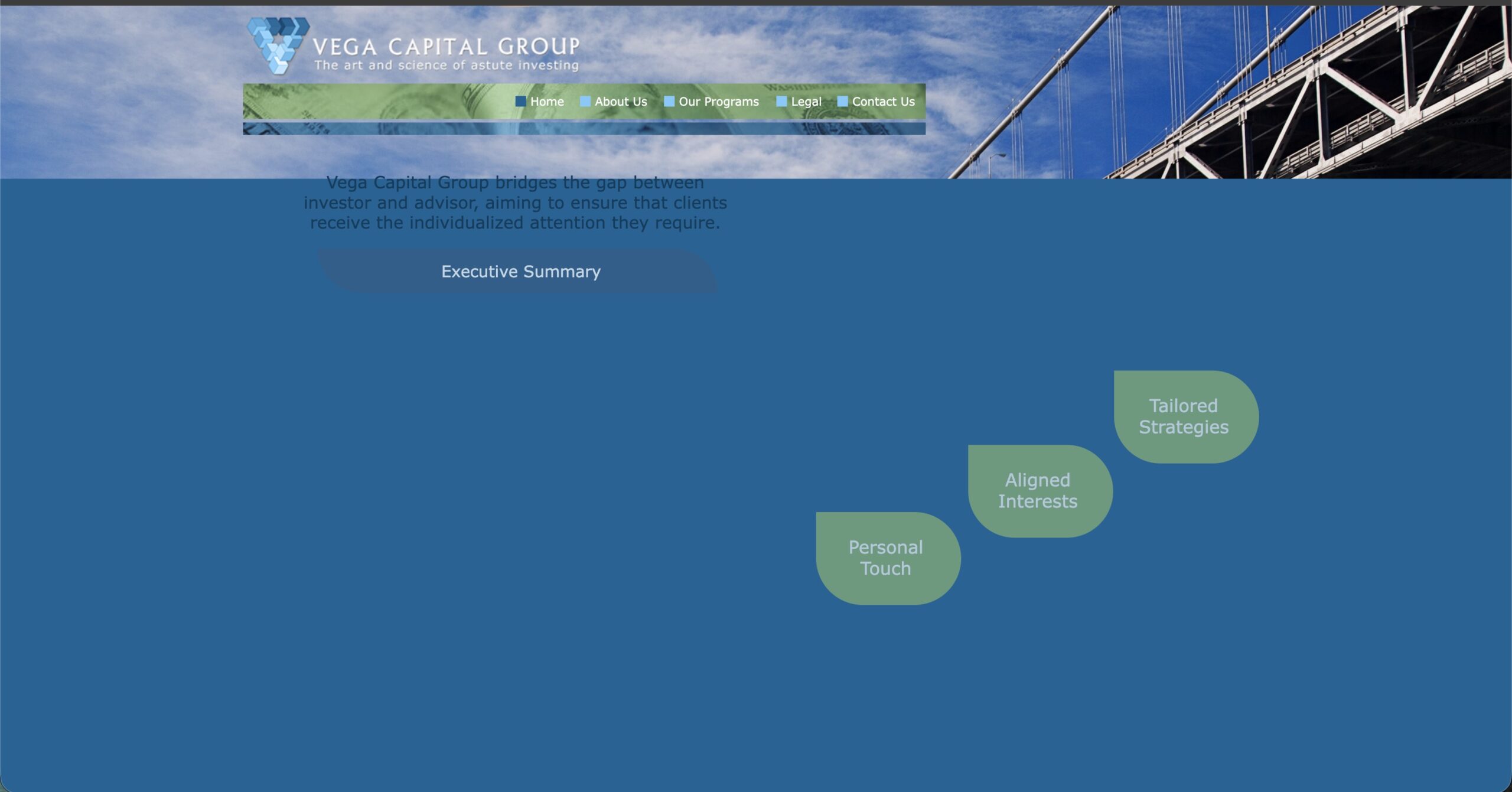
The online forex and CFD industry is full of platforms that look legitimate at first glance but fail under basic regulatory scrutiny. One such broker that has drawn repeated warnings from regulators and watchdogs is Vega Capital.
This investigation breaks down the actual risk profile of Vega Capital, focusing on regulatory status, official warnings, withdrawal behavior patterns, and transparency issues. If you are evaluating this broker, the real question is not whether it looks professional—but whether it is legally accountable to anyone.
What is Vega Capital?
Vega Capital presents itself as a forex and CFD trading broker offering access to global markets, including currencies, commodities, indices, and crypto instruments. It claims to operate as a financial services provider with international reach and modern trading infrastructure.
However, independent reviews consistently report that key details—such as licensing, office location, and regulatory oversight—are either missing or unverifiable.
That alone is not a small gap. In financial services, missing identity = missing accountability.
Warning Sign #1: CNMV Regulatory Warning
One of the strongest red flags is an official warning issued by Spain’s financial regulator, the CNMV.
The CNMV flagged Vega Capital as an unregistered entity potentially providing financial services without authorization.
This is critical because CNMV warnings are not speculative opinions—they are enforcement signals based on regulatory checks.
When a national regulator says “this entity is not authorized,” it means:
- It is not allowed to legally offer investment services in that jurisdiction
- Investors have no regulatory protection if funds are lost
- The company is operating outside compliance frameworks
That alone places Vega Capital in a high-risk category.
Warning Sign #2: No Verified Financial Regulation
Multiple independent reviews confirm a consistent finding:
Vega Capital is not licensed by any Tier-1 regulator such as:
- FCA (UK)
- ASIC (Australia)
- CySEC (EU)
- SEC/CFTC (US)
Instead, it operates without enforceable financial oversight, meaning there is no authority monitoring client funds, trading execution, or withdrawal behavior.
This creates a structural imbalance:
- Deposits are accepted instantly
- Withdrawals are not legally guaranteed
- No dispute resolution authority exists
That combination is where most broker failures happen.
Warning Sign #3: Transparency Failure
A legitimate broker can answer three basic questions instantly:
- Who owns the company?
- Where is it legally registered?
- Which regulator supervises it?
Vega Capital struggles on all three.
Investigations highlight:
- missing office address
- unclear corporate structure
- lack of regulatory documentation
- no verifiable compliance disclosures
This is not “poor marketing.” It is deliberate opacity.
Opacity is not neutral—it is a risk mechanism.
Warning Sign #4: Withdrawal Complaints Pattern
Across broker review platforms, Vega Capital is repeatedly associated with withdrawal-related complaints:
- delayed or blocked withdrawals
- account restrictions after profit attempts
- sudden support silence
- unexpected verification or “fee” requests
This pattern matters more than any trading feature.
A broker is not defined by its trading interface. It is defined by whether it returns money.
If exit is controlled, then entry is a trap, not a service.
Warning Sign #5: Aggressive Marketing + Unrealistic Promises
Another recurring pattern involves:
- high-return claims
- low-risk positioning
- pressure-driven account upgrades
- aggressive onboarding calls
These are classic acquisition tactics used in unregulated brokerage funnels.
Here’s the logic test:
If returns were stable and reliable, why would constant pressure be needed to increase deposits?
Legitimate firms scale through performance trust.
Risky firms scale through psychological urgency.
Warning Sign #6: Platform Control Risk
Reports indicate Vega Capital uses proprietary platforms instead of widely audited systems like MetaTrader.
That introduces a key issue:
If the broker controls the platform, it can potentially control:
- price display
- execution timing
- profit/loss visibility
Even without assuming misconduct, the lack of external auditability increases risk significantly.
In regulated markets, execution is independently verifiable. Here, it is not.
Warning Sign #7: Pattern-Level Risk Profile
When you step back, Vega Capital doesn’t fail in one area—it fails across multiple structural categories:
- Regulatory enforcement absent
- Identity transparency weak
- Withdrawal reliability questioned
- Marketing pressure high
- Platform auditability unclear
That combination forms a known high-risk broker pattern seen repeatedly in failed offshore platforms.
The Hard Truth Test
Ignore branding. Ignore website design. Ignore trading promises.
Only ask this:
If something goes wrong tomorrow, who forces them to return your money?
For Vega Capital, the answer is:
No enforceable regulator exists.
That is the entire risk equation.
What You Should Do If You Are Already Exposed
If funds are already inside:
- do not deposit more under “unlock” pressure
- attempt a small withdrawal immediately (test reality, not promises)
- document everything (screenshots, chats, transactions)
- refuse any “tax/fee before withdrawal” demands
- escalate through payment providers if applicable
Do not negotiate emotionally. These systems are designed to extend engagement, not resolve it.
Final Verdict: High-Risk / Avoid Category
Vega Capital is not just “questionable.” It sits in a structurally unsafe category due to:
- CNMV warning status
- lack of verified licensing
- withdrawal complaint patterns
- transparency gaps
- unregulated operating model
Bottom line:
If capital protection matters at all, this is not a platform to trust.
The risk is not market volatility.
The risk is counterparty control over your funds.
That is a fundamentally different and more dangerous problem.