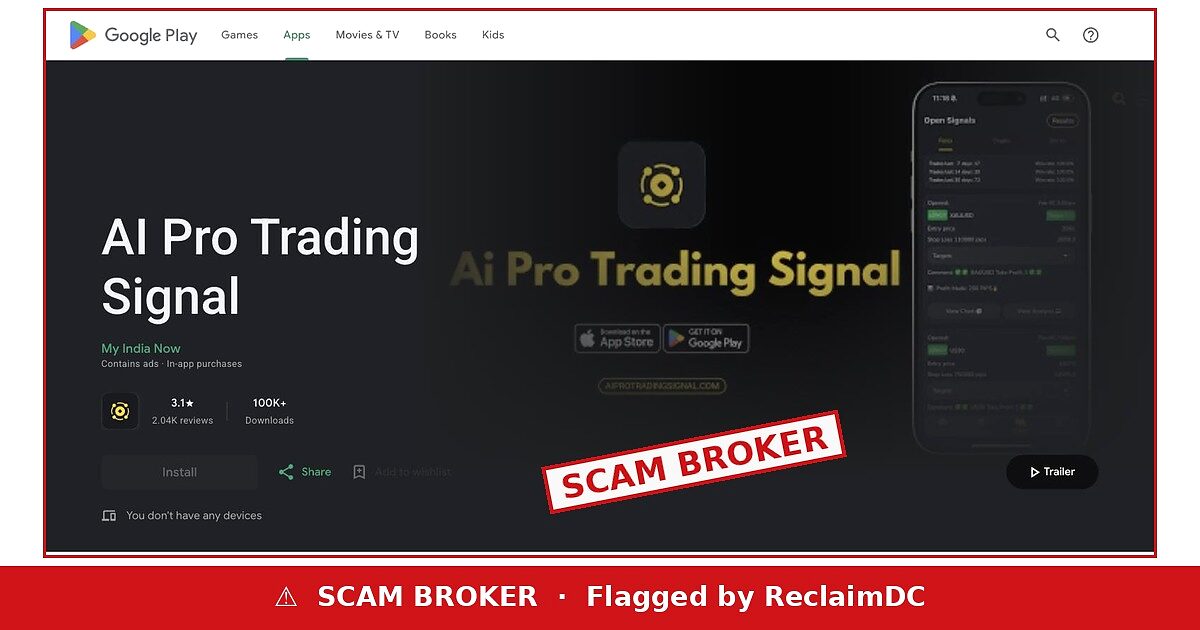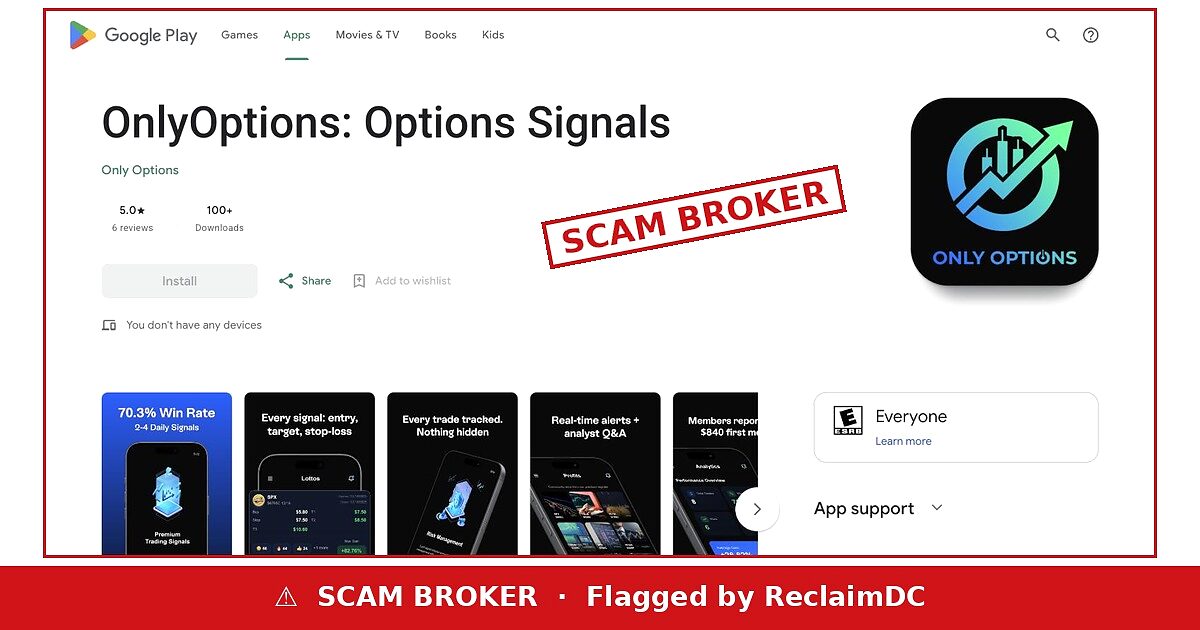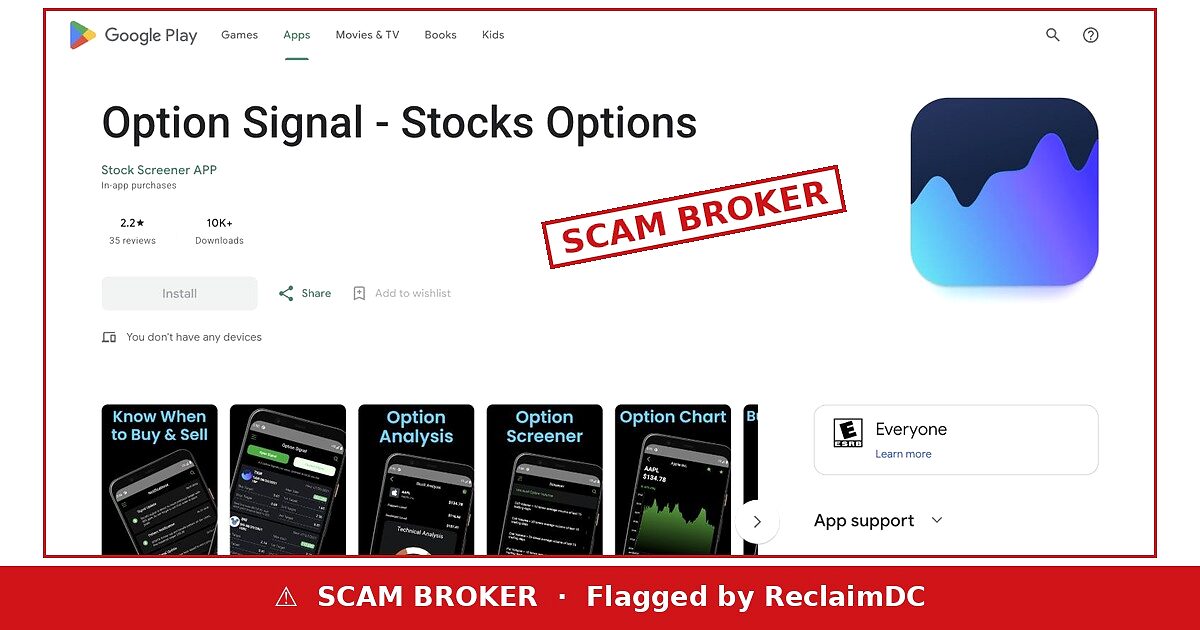


Alpenadvisors presents itself as a modern investment and trading service offering managed accounts, crypto exposure, and “AI-assisted profit systems.” On the surface, it resembles many offshore advisory platforms targeting retail investors with promises of stable returns and professional fund management.
But when you strip away the marketing language, what remains is a structure heavily flagged by regulators, reviewers, and independent scam-monitoring platforms for the same core issues: lack of regulation, withdrawal obstruction, and misleading investment claims.
FCA Warning Status: The Most Important Signal
Alpenadvisors has been flagged in multiple regulatory and risk databases as operating without proper authorization and showing characteristics of an investment scam. In particular:
- It is listed as unauthorised in regulatory warning contexts
- It is not verified under major financial regulators such as FCA, SEC, or IIROC equivalents
- It has appeared in regional enforcement and caution listings tied to securities violations (FastBull)
This matters more than any marketing claim because:
If a firm is not regulated, there is no legal enforcement mechanism protecting your funds.
No compensation scheme.
No arbitration body.
No guaranteed dispute resolution.
Only internal company control.
Trust and User Complaints: Pattern of Loss and Withdrawal Blocking
User feedback across review platforms shows a consistent pattern:
- Accounts showing artificial “profit growth”
- Initial trust-building via small successful withdrawals
- Sudden withdrawal delays when larger amounts are requested
- Requests for additional “fees,” “tax clearance,” or “verification payments”
- Communication breakdown once withdrawal pressure increases
Independent reviews include reports of users claiming funds were withheld after deposits and that withdrawal requests were repeatedly delayed or ignored (Trustpilot)
A key psychological pattern emerges:
Early access is used to build trust. Full access is later restricted.
This is one of the most common behavioral structures in high-risk broker ecosystems.
Regulatory and Structural Red Flags
Alpenadvisors shows multiple structural issues commonly associated with unregulated investment schemes:
1. No verifiable licensing footprint
No consistent registration under recognized financial authorities.
2. Offshore-style operational ambiguity
Claims of legitimacy without publicly verifiable corporate governance.
3. Marketing-heavy investment promises
Focus on returns and simplicity rather than risk disclosure.
4. Fragmented accountability
Users often cannot identify:
- Who holds funds
- Who executes trades
- Who is legally responsible for disputes
This fragmentation is not accidental—it removes accountability pathways.
Withdrawal Risk: The Core Failure Point
Across similar platforms, withdrawal behavior is the most reliable indicator of legitimacy.
Common complaints tied to Alpenadvisors-like systems include:
- “Processing pending” status with no timeline
- Requests for additional deposits before release
- Sudden compliance or “risk review” freezes
- Support responses that loop without resolution
- Account restrictions after profit accumulation
The structural issue is simple:
Depositing funds is frictionless. Retrieving them is conditional.
That imbalance is the defining risk signal.
Psychological Design: How Trust Is Engineered
These platforms rarely rely on direct deception alone. Instead, they use structured behavioral influence:
- Small early gains to reduce skepticism
- Account managers pushing urgency (“limited opportunity”)
- Performance dashboards showing steady growth curves
- Social proof claims (other users profiting, testimonials)
- Friction introduced only at withdrawal stage
This creates a controlled emotional journey:
Trust → Commitment → Dependency → Frustration → Loss
By the time withdrawal issues appear, users are often financially and psychologically committed.
False Stability Problem: The Return Illusion
Investment platforms like Alpenadvisors often imply:
- Predictable monthly returns
- AI-driven consistency
- Low-risk managed trading
But real financial markets do not behave that way.
Any system claiming stable returns must be scrutinized for:
- Backtesting bias
- Selective performance reporting
- Unverified strategy execution
- Lack of independent audit trails
If performance cannot be independently verified over long timeframes, it is not evidence—it is marketing.
Scam Classification Indicators (Why This Matches Known Patterns)
Alpenadvisors aligns with several known high-risk investment markers:
- Regulatory warnings or absence of licensing
- Withdrawal complaints across multiple users
- High-pressure account management behavior
- Bonus or fee structures tied to withdrawal restrictions
- Lack of transparent corporate accountability
When multiple signals cluster together, the probability of structural fraud increases significantly—not because of one issue, but because of the system design itself.
What Real Regulation Would Look Like
To understand the gap, compare with legitimate firms:
A regulated investment provider must have:
- Public, verifiable license number
- Clear governing authority (FCA, SEC, ASIC, etc.)
- Segregated client funds
- Transparent fee structure
- External dispute resolution channel
- Auditable transaction history
If any of these are missing, investor protection becomes theoretical rather than real.
Stress-Test Questions You Should Ask
Before trusting any platform like Alpenadvisors, demand clear answers to:
- Which regulator can enforce rules against this company?
- Who legally holds custody of my funds?
- What happens if I request full withdrawal immediately?
- Are returns independently audited or self-reported?
- Can I verify corporate ownership in a public registry?
If answers are vague, delayed, or split across entities, that is already the answer.
Final Assessment: Why This Is High-Risk
Alpenadvisors is not a conventional broker issue—it fits a broader category of unregulated investment advisory systems with withdrawal friction risk.
The core problems are structural:
- No confirmed regulatory protection
- Repeated withdrawal complaints
- Lack of transparent financial accountability
- Marketing-driven profit narrative
- Fragmented operational responsibility
These are not surface-level concerns. They define the system itself.
Stay-Away Conclusion
The critical mistake most users make is focusing on returns instead of exit safety.
A platform is not judged by how easily it lets you deposit—but by how reliably it lets you leave.
Alpenadvisors shows too many unresolved structural risks in exactly the area that matters most: withdrawal access and regulatory enforceability.
Until it can demonstrate full, verifiable regulatory legitimacy and consistent withdrawal reliability under independent oversight, the rational stance is not caution—it is avoidance.