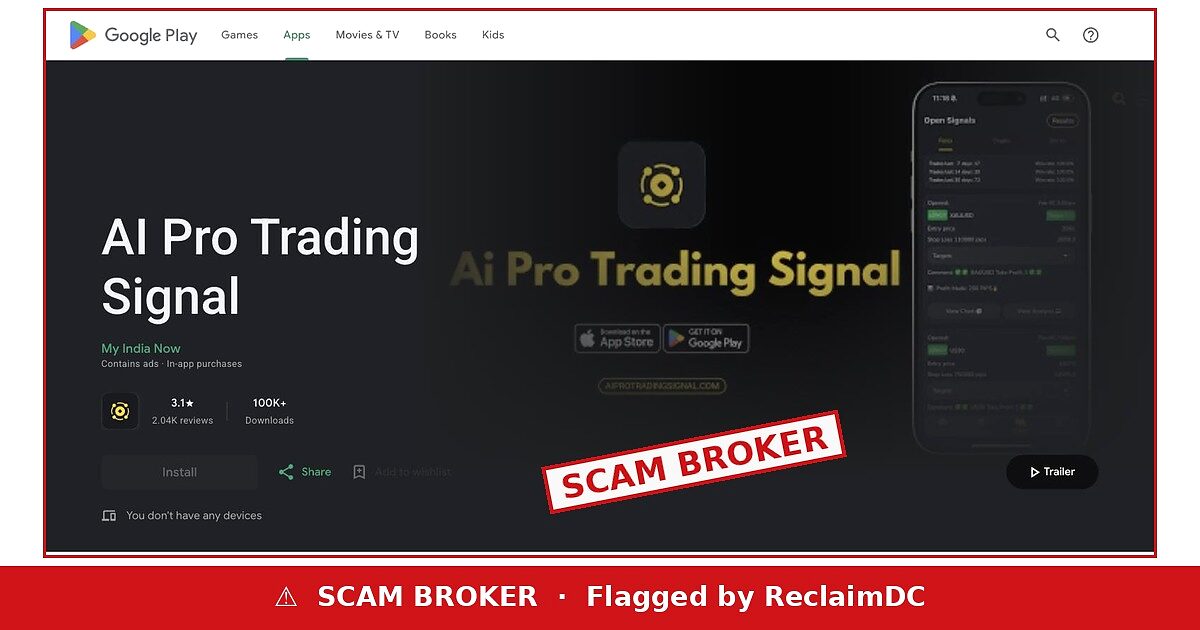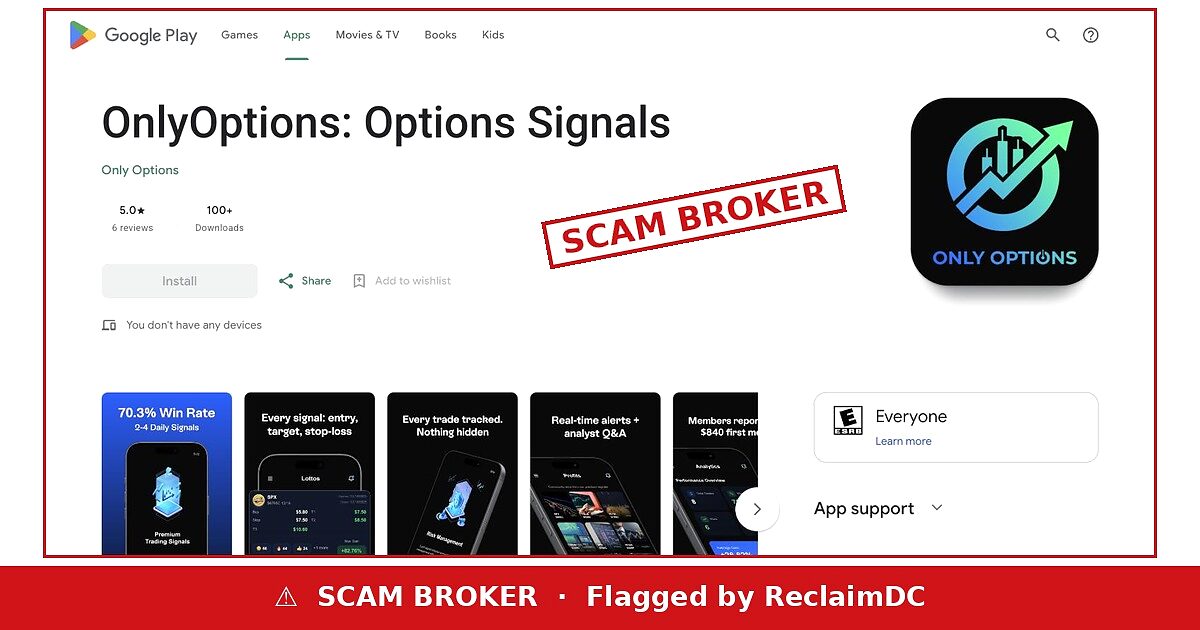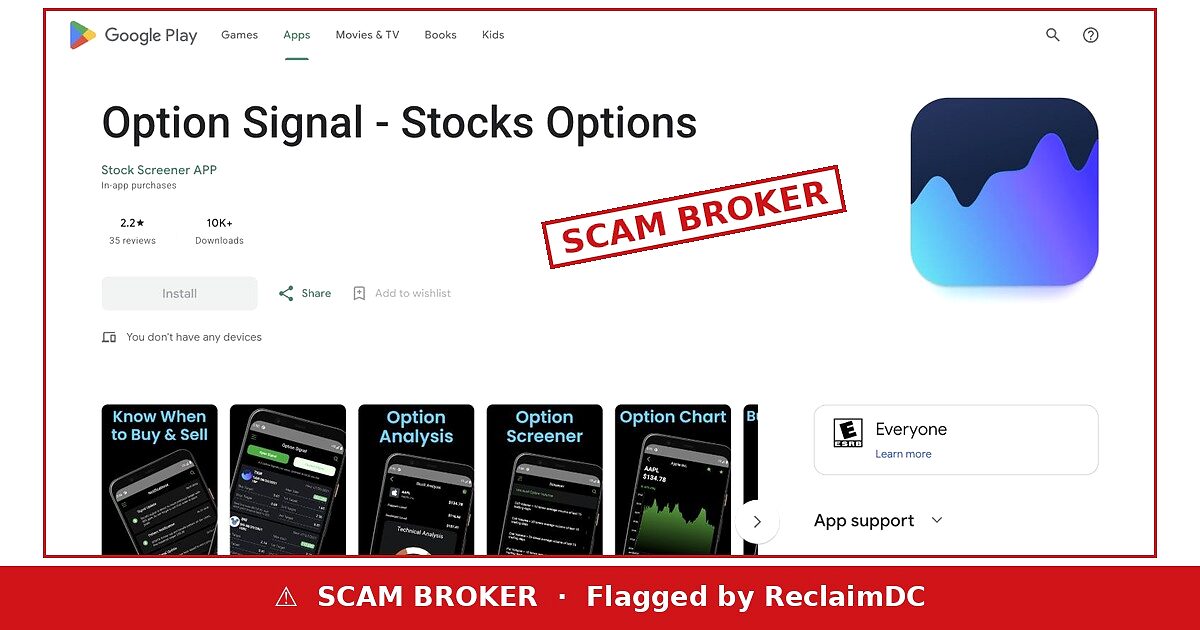


Aureontrade presents itself as a forex and crypto trading platform offering account management, automated strategies, and “high-return investment systems.” The branding is polished and the messaging is aggressive—typical of modern offshore broker schemes targeting retail investors with promises of easy profits.
But once you move past the marketing layer, the evidence points in a very different direction: regulatory blacklisting, lack of licensing transparency, and strong scam-risk classification from multiple independent watchdogs.
Regulatory Reality: Official Warnings from Authorities
This is the most important fact:
- The CNMV (Spain’s financial regulator) has issued a warning against Aureon Trade for offering financial services without authorization. (Traders Union)
- Broker analysis platforms classify it as operating without valid financial regulation and flag it as a scam-risk entity. (FastBull)
That combination matters because regulatory warnings are not opinions—they are enforcement signals.
When regulators flag a platform, it means:
- The company is not authorized to operate in that jurisdiction
- Investors are not protected under financial compensation schemes
- Any disputes are outside formal legal protection systems
Structural Problem: No Transparent Legal Identity
Aureontrade shows a pattern common in high-risk broker ecosystems:
- No clearly verifiable corporate entity
- No consistent jurisdiction disclosure
- No publicly auditable licensing number
- Weak or missing regulatory registration information
Independent analysis confirms the platform fails to disclose basic corporate details such as legal entity name, address, or jurisdiction of incorporation. (FastBull)
That is not a minor omission. In financial services, identity is the foundation of accountability.
If identity cannot be verified, enforcement becomes impossible.
Scam Classification: Multiple Risk Systems Agree
Independent review systems consistently classify Aureontrade as high-risk:
- “SCAM operating status” in broker analysis databases (FastBull)
- Very low trust score evaluations on scam detection systems (ScamAdviser)
- “Unregulated / no license found” classification in broker verification tools (WikiFX)
When multiple independent systems converge on the same conclusion, it is no longer isolated suspicion—it is a structural pattern.
Withdrawal Risk Pattern: The Core Failure Mechanism
The most critical issue is not deposits or trading interfaces—it is withdrawals.
Across Aureontrade-type platforms, the standard risk pattern looks like this:
- Small withdrawals may initially work (to build trust)
- Larger withdrawals trigger “security review” delays
- Accounts get restricted after profit attempts
- Users are asked for extra “tax,” “verification,” or “clearance” fees
- Support becomes repetitive or unresponsive
This creates a controlled liquidity environment:
Deposits flow freely → trading appears functional → withdrawals become conditional
That asymmetry is the key warning signal.
Market Simulation Risk: “Fake Trading Environment” Concerns
Some independent reviews describe a deeper structural concern:
- Trading dashboards may not reflect real market execution
- Prices may be internally simulated or delayed
- Profit/loss results may not be tied to external liquidity markets
While this cannot always be proven from the outside, the absence of audited execution data makes verification impossible.
And in finance, what cannot be verified should not be trusted with capital.
Psychological Manipulation Layer
Aureontrade follows a familiar behavioral pattern seen in high-risk investment schemes:
- Early “wins” shown on account dashboards
- Account managers applying urgency pressure
- Encouragement to reinvest profits
- “Limited-time opportunity” messaging
- Emotional reinforcement tied to performance charts
The objective is not trading education. It is deposit escalation.
Once trust is established, financial pressure increases faster than skepticism.
Why Regulation Matters More Than Everything Else
People often focus on:
- Website quality
- Trading tools
- Profit percentages
- Account dashboards
But in real financial systems, only one thing matters:
Enforceable regulation.
Without regulation:
- There is no external authority controlling operations
- There is no guaranteed fund segregation
- There is no dispute resolution mechanism
- There is no compensation scheme if funds are lost
Aureontrade fails at this foundational requirement.
Trust Signal Breakdown (What Actually Matters)
Here is the real risk structure:
- Regulatory status: Blacklisted / unauthorized
- Corporate transparency: Missing or unclear
- Withdrawal behavior: High complaint pattern
- Operational oversight: None verifiable
- Risk classification: High-risk / scam indicators
When all five align negatively, the system is not “risky.” It is structurally unprotected.
Stress Test Questions (Non-Negotiable)
Before trusting any platform like Aureontrade, demand answers to:
- Which regulator can legally enforce action against this company?
- What is the verified company registration number and jurisdiction?
- Who holds custody of user funds?
- Are withdrawals guaranteed without additional conditions?
- Is trading execution independently audited by a third party?
If any answer is unclear or deflected, that is your answer.
Final Assessment: Why Aureontrade Is High-Risk
Aureontrade is not just “unverified.” It has:
- Official regulatory warnings (CNMV)
- No verifiable financial license
- Structural transparency failure
- Scam classification across multiple broker analysis platforms
- Withdrawal risk patterns consistent with unregulated brokers
These are not isolated issues—they form a complete high-risk system architecture.
Stay-Away Conclusion
The central issue is not whether Aureontrade can display trading activity or simulated profits.
The issue is whether those profits are legally enforceable and withdrawable under independent oversight.
They are not.
When regulation is absent and withdrawal control is internal, the system is not a financial service—it is a controlled access platform with no guaranteed exit protection.
The rational position is simple:
If regulation cannot be independently verified and withdrawals are not externally enforceable, capital exposure should be avoided entirely.