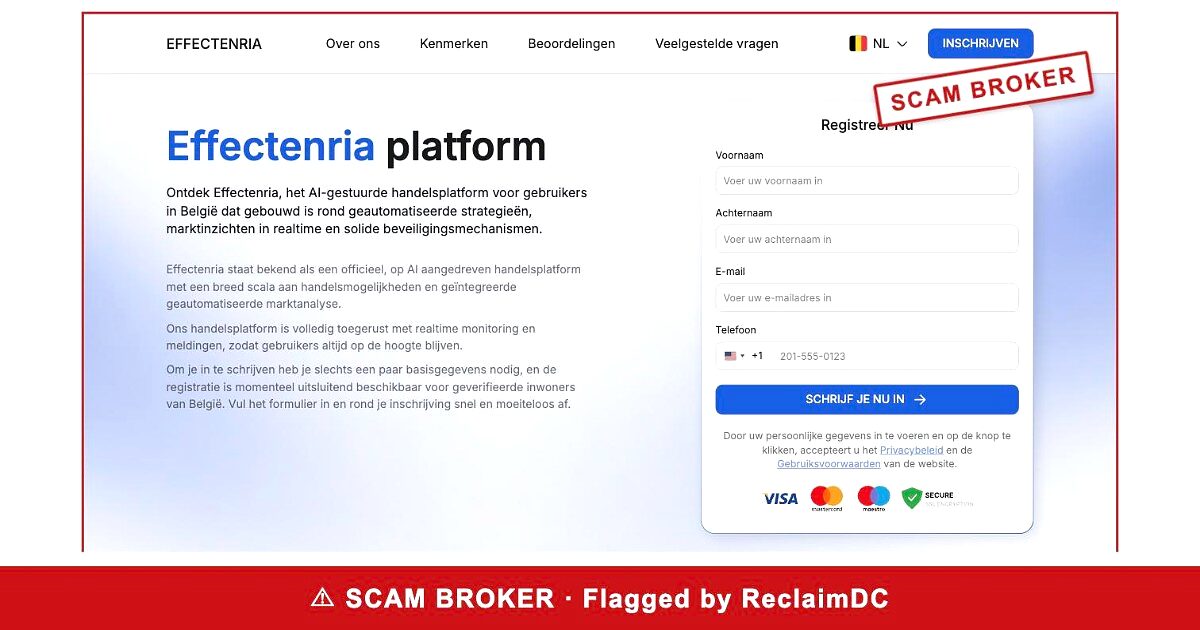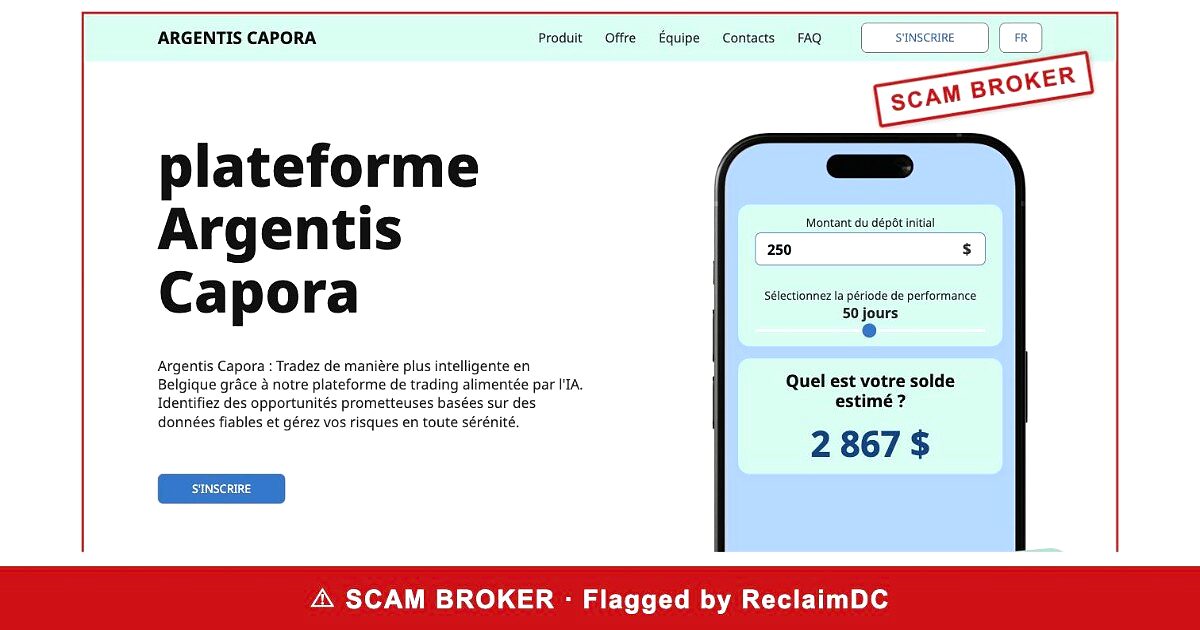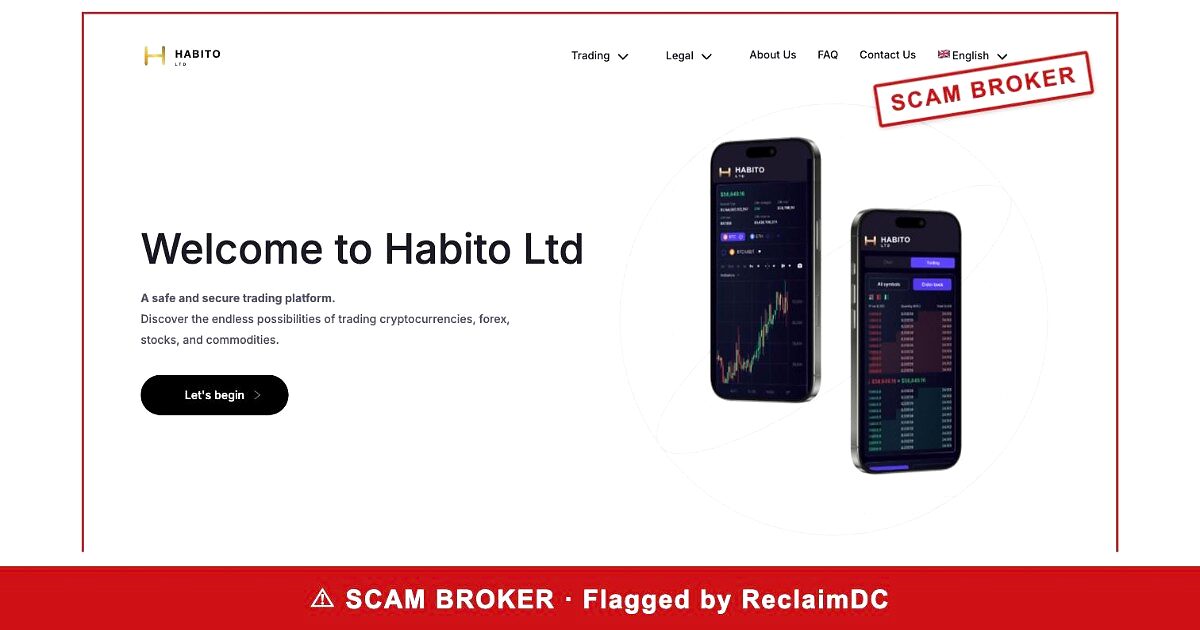

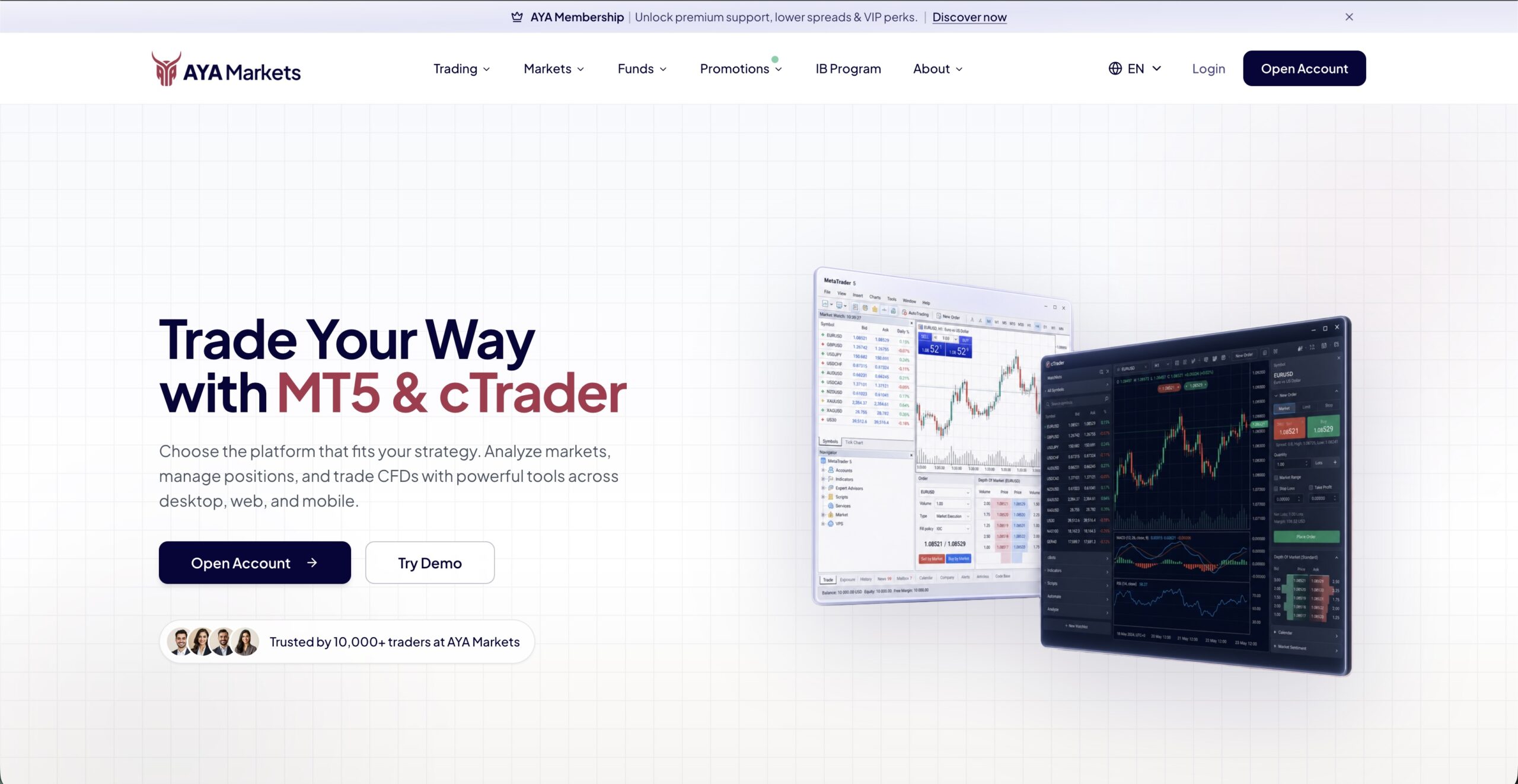
When analyzing https://ayamarkets.com, the surface presentation is intentionally designed to resemble a modern forex broker: clean dashboards, MT5/cTrader integration, and promises of tight spreads and fast execution.
But in brokerage risk analysis, design is irrelevant. The only metric that matters is this:
Can you reliably withdraw money under stress conditions?
This report breaks down regulation gaps, offshore structure risks, withdrawal patterns, and trust inconsistencies linked to AyaMarkets.com.
1. Trust Signal Reality: Low Transparency Profile
Independent risk analysis platforms consistently flag ayamarkets.com as suspicious or high-risk:
- Low trust score due to hidden ownership (WHOIS privacy masking) and low traffic signals
- Offshore broker classification with weak investor protection frameworks in multiple reviews
- Reports highlighting structural lack of transparency and accountability mechanisms
Now here is the key analytical mistake most users make:
They confuse “domain age + SSL + trading platform branding” with legitimacy.
Those factors prove only one thing: the website exists.
Not that it is safe.
2. Regulation Problem: Offshore Licensing Gap
AyaMarkets is commonly associated with offshore registration frameworks (such as Comoros/MISA-style licensing claims), which are widely categorized as Tier-3/4 regulatory environments.
Here is what that actually means in practice:
- No Tier-1 oversight (FCA, ASIC, CySEC absent)
- No enforceable investor compensation scheme
- No mandatory third-party dispute resolution
- Weak or non-binding enforcement actions
One detailed analysis describes the structure as an offshore ECN-style broker with no real investor protection mechanisms, despite marketing language suggesting institutional-grade execution
The critical takeaway:
If regulation cannot force compliance, then compliance is optional.
And optional compliance always benefits the broker, not the client.
3. Withdrawal Risk: The Real Failure Point
Across offshore broker ecosystems (including AyaMarkets-style structures), the most consistent complaint pattern is not trading—it is withdrawal friction.
Common reported behaviors include:
- Delayed or stalled withdrawals
- Requests for additional verification after profit generation
- Sudden account reviews after withdrawal requests
- “System maintenance” or “risk control” excuses
- Partial approval of withdrawals followed by freezing of remaining balance
Even when users initially report smooth deposits or trading conditions, issues tend to emerge only when capital is requested back.
This creates a structural asymmetry:
Depositing money = easy
Withdrawing money = conditional
That imbalance is the core risk signal.
4. “Profit Activation of Compliance” Pattern
One of the strongest behavioral markers in high-risk brokers is this sequence:
- Account opens normally
- Deposits are processed smoothly
- Trading environment functions without friction
- Account becomes profitable
- Compliance/risk review is triggered
- Withdrawal is delayed or restricted
The explanations usually sound technical:
- AML verification checks
- “Abnormal trading activity” flags
- Liquidity protection rules
- Bonus violation interpretations
Individually, these may be legitimate mechanisms in regulated environments.
But in weak regulatory environments, they become flexible tools for delaying or controlling payouts.
The key question is not whether these rules exist.
It is whether they are applied consistently before profit—not only after.
5. The Illusion of Professional Infrastructure
AyaMarkets promotes familiar trading infrastructure:
- MetaTrader 5 (MT5)
- cTrader
- High leverage (often up to extreme levels in offshore setups)
- ECN/STP-style execution claims
But infrastructure does not equal accountability.
A critical misconception among retail traders is:
“If it uses MT5, it must be legitimate.”
That is incorrect.
MT5 is just software. It does not enforce regulation, custody safety, or withdrawal guarantees.
A broker can operate identical platforms while having completely different levels of financial integrity.
6. Trust Score vs Marketing Reality Conflict
Risk scanners and broker review systems show a consistent contradiction:
- Marketing emphasizes professionalism and execution quality
- Risk platforms highlight low transparency, weak oversight, and offshore exposure
This contradiction is important.
Because in legitimate brokers:
Trust signals and regulatory signals align.
In high-risk brokers:
Marketing and enforcement reality diverge.
That divergence is where investor exposure increases.
7. Behavioral Risk Trap (How Users Lose Control)
The most dangerous part is not technical—it is psychological:
- Small deposits feel safe
- Early trades feel functional
- Platform responsiveness builds trust
- Users scale capital gradually
- Withdrawal attempts are delayed but rationalized
- Confidence bias replaces verification
At that point, users stop evaluating risk objectively and start negotiating with delays.
This is where most capital losses occur—not from trading, but from delayed exit recognition.
8. Investor Protection Framework (Mandatory Rules)
If someone still interacts with offshore brokers like ayamarkets.com, risk control must be strict:
- Treat initial deposits as unverified exposure
- Test withdrawal early (before scaling capital)
- Never reinvest unrealized profits inside the platform
- Keep full logs of deposits, chats, and withdrawal requests
- Avoid leverage escalation without verified withdrawal history
- Exit immediately if first withdrawal delay occurs
- Assume internal “compliance reviews” are not neutral processes
These are not suggestions. They are survival constraints.
9. The Only Question That Matters
Forget spreads. Forget execution speed. Forget platform design.
Ask only this:
If the broker refuses my withdrawal, who can enforce payment?
If the answer is:
- The broker itself
- Offshore regulator with limited enforcement power
- Internal compliance team
Then you do not have enforceable custody rights over your funds.
You only have access under permission.
Final Verdict: Is AyaMarkets.com Safe?
Based on available evidence, ayamarkets.com falls into a high-risk offshore brokerage category, characterized by:
- Weak or offshore regulatory frameworks
- Low transparency ownership structure
- Mixed trust signals across review systems
- Withdrawal risk patterns consistent with control-based payout systems
Even if trading functions appear normal, that is not the safety metric.
Safety is defined at exit—not entry.
Stay Away Conclusion
The most dangerous misconception in forex trading is believing that operational functionality equals financial safety.
In reality:
- Platforms are designed to attract deposits smoothly
- Trading functionality builds confidence
- Enforcement mechanisms activate at withdrawal stage
With ayamarkets.com, the combination of offshore structure, weak enforceability, and withdrawal-risk patterns places it in a category where capital protection cannot be reliably guaranteed.
The rational conclusion is simple:
If you cannot enforce withdrawal externally, you do not control your money—you only rent access to it under broker approval.